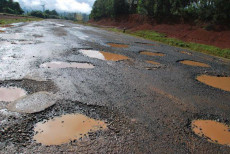
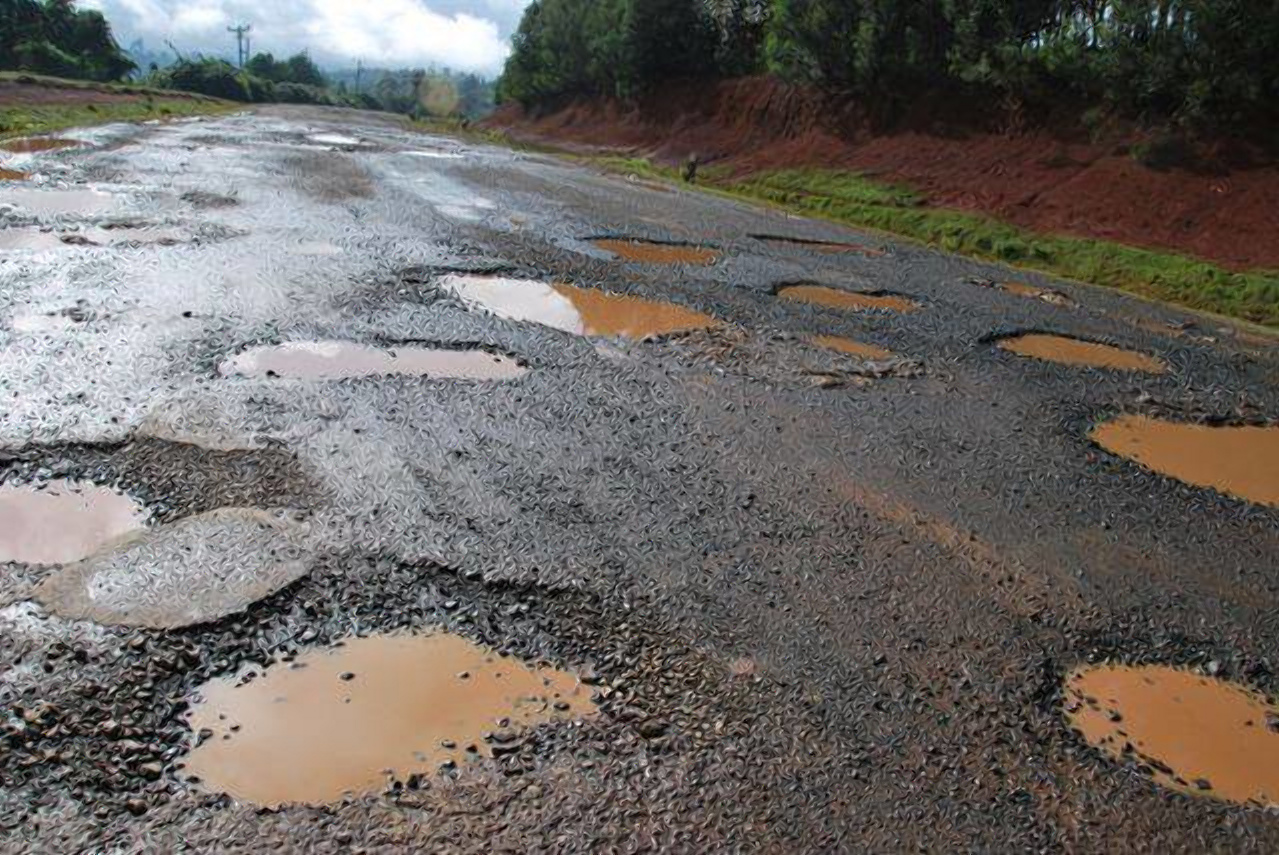
On March 4, 2026, local media exposed the worsening state of Nakuru’s roads. Motorists and residents voiced frustration over deep potholes and loose gravel. Many commuters described daily travel as a “nightmare,” saying the crumbling surfaces made journeys both risky and uncomfortable.
The “pothole menace” in Nakuru City has escalated from a routine maintenance issue into a full‑blown public safety concern. Heavy rains, aging infrastructure, and unique geological vulnerabilities have combined to worsen the crisis. By March 2026, the situation forced emergency interventions from both the county government and national highway authorities.
On social media, Kenyans have gone a step further, dubbing Nakuru the “city of potholes” as jokes about its deteriorating roads spread widely.
On March 4, 2026, local media exposed the worsening state of Nakuru’s roads. Motorists and residents voiced frustration over deep potholes and loose gravel. Many commuters described daily travel as a “nightmare,” saying the crumbling surfaces made journeys both risky and uncomfortable.
Furthermore, heavy rains in the second week of March intensified the problem. The downpours, which caused fatalities nationwide and turned streets into rivers, revealed the full extent of the damage. Slow repair efforts allowed the situation to persist.
This is not the first time such concerns have surfaced. In September and November 2024, national media reported major pothole problems in Nairobi. Temporary fixes were attempted, but the issue kept resurfacing.
Read More
How Potholes Form and Why They Persist
Potholes begin as small cracks in the road surface. Water seeps into these cracks, weakening the base layer. Heavy rains, like those recently experienced in Kenya, accelerate the process. Over time, traffic pressure breaks the asphalt apart, forming potholes that continue to grow.
Poor drainage worsens the situation, as stagnant water becomes a constant trigger. Overloaded trucks, low‑quality construction materials, and weak maintenance practices add to the cycle.
The Kenya National Highways Authority (KeNHA) and county teams continue repair efforts, but the public often points to weak enforcement and substandard construction as root problems.
The Real Dangers on the Road
Cyclists and motorcyclists face severe risks, as a single hit can cause dangerous falls. Drivers swerve suddenly to avoid potholes, increasing the risk of collisions and rollovers. These sudden movements often lead to accidents, injuries, and fatalities.
Economic and Vehicle Toll
Potholes also drain wallets. Motorists spend heavily on tire replacements, wheel alignment, and suspension repairs. Transport businesses face delays and higher operating costs. Nationally, potholes trap roads in a cycle of repair, consuming public funds that could be used elsewhere. The longer repairs are delayed, the more expensive they become.
Who Bears the Blame?
Responsibility remains contested. County governments face criticism for slow responses, while national agencies are accused of weak oversight. Contractors are blamed for poor workmanship, and heavy rains expose existing weaknesses.
Experts point to deeper, long‑term issues: poor drainage systems, weak quality control, and lack of routine maintenance.
In Nakuru, Governor Susan Kihika has ordered immediate repairs and awarded tenders to address roads in Nakuru’s CBD. Yet short‑term fixes may not be enough.
Until lasting solutions are implemented, potholes will continue to reappear. For many Kenyans, the daily reality remains the same damaged roads, rising costs, and a growing demand for accountability.
Stay connected with us on WhatsApp and Facebook for instant updates and breaking news as it happens