All participating vendors already operate in Nakuru’s markets and are certified by the County Government. To ensure professionalism and safety, Karimi partnered with Park We Go (tourism adventure), Captain Hook (events management and security), and other collaborators.
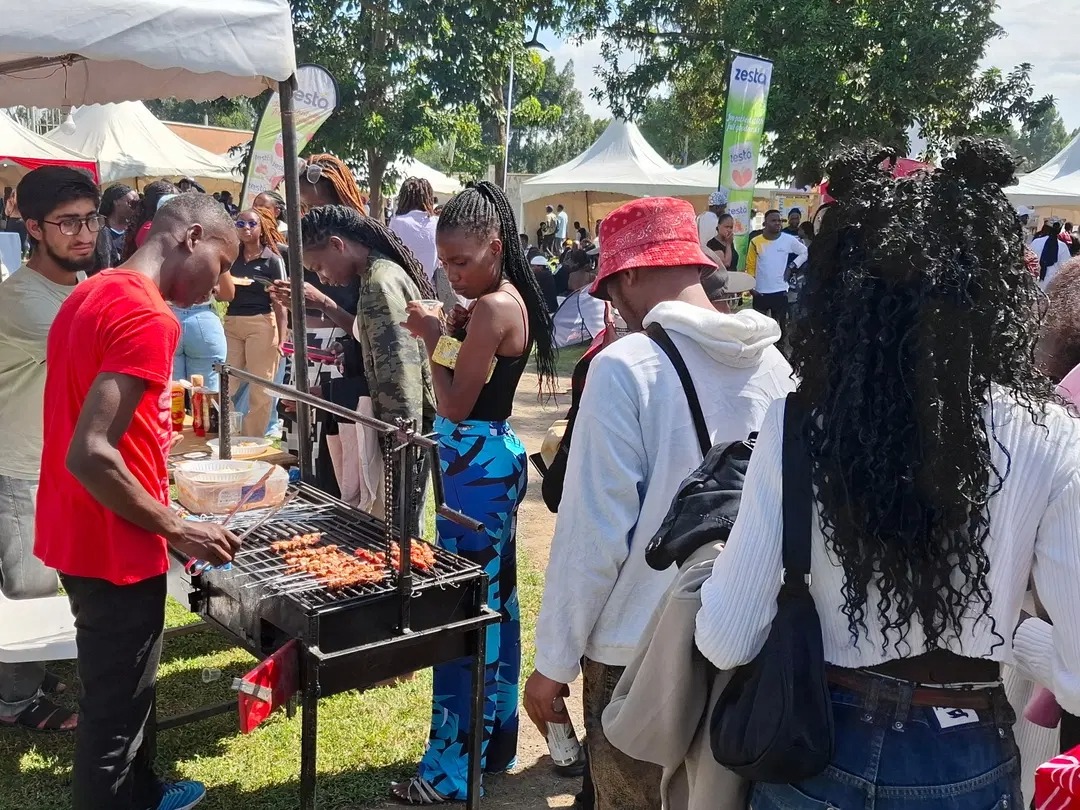
Nakuru’s street food culture will take center stage on February 28, 2026, at the Hotel Kunste Grounds, when the city hosts the Nakuru Street Food Festival—a showcase positioning the county as a hub for culinary and creative enterprise.
The Curator Behind the Flavor
The festival is the brainchild of Ben Karimi, events curator, small businessperson, and content creator. Speaking to nax.today at Agora Coworking Space, Karimi described the festival as a celebration of Nakuru’s people, food, and culture. “Very vibrant,” he called it.

Read More
Why Street Food?
His inspiration grew from documenting Nakuru’s street food scene online.
“When you search street food in Kenya, much of what you find comes from Nakuru,” he explained. “Yet despite being a mainstem city, we lacked a flagship event—one that could lead the county in terms of festivals.”
Authentic Streets, Structured Spaces
All participating vendors already operate in Nakuru’s markets and are certified by the County Government. To ensure professionalism and safety, Karimi partnered with Park We Go (tourism adventure), Captain Hook (events management and security), and other collaborators.
Vendors will serve from structured spaces designed as dedicated “streets,” while corporate organizations occupy designated corners. This balance ensures partnerships enhance rather than overshadow the authenticity of street food culture.
Food at the Core, Tech in the Mix
Food remains the heartbeat of the festival. “You can see that in the setup we have,” Karimi said. Ticketing runs on a digital platform, and social media drives audience engagement. Volunteers play a central role, shaping activations and ensuring the festival reflects community needs.
“It’s more about the community and what it wants,” Karimi emphasized. “Not doing things that eventually hurt the community.”
Systems and Sustainability
The festival team blends structure with authenticity. Plans are already underway to host the festival three times a year, extending its impact beyond the grounds.
Content creation ensures vendors’ visibility long after the event. “Content is long lasting,” Karimi noted, underscoring the festival’s role in building enduring brands.
Clean, Compliant, Community Focused
Sanitation and compliance are non negotiable. Led by Environment Officer Monica Odembo, vendors have committed to proper waste disposal, clean premises, handwashing stations, medical checks, and adherence to public health regulations.
From Nakuru to the World
Across Kenya, street food has evolved from roadside vending into an organized culinary industry. Nakuru’s vendors sustain thousands of livelihoods, their sights, sounds, and aromas creating what local media call an immersive culinary experience. Globally, the Food and Agriculture Organization (2016) recognizes street cuisine as a marker of shared identity and urban belonging.
The Nakuru Street Food Festival blends culture, compliance, partnerships, digital innovation, and community focus. It formalizes informality without losing authenticity. It celebrates cuisine, community, and enterprise—placing Nakuru firmly on the regional and global culinary map.
This festival is about Nakuru’s people, culture, and creativity. What makes street food special to you? Tell us your story and be part of the conversation.
Stay connected with us on WhatsApp and Facebook for instant updates and breaking news as it happens.