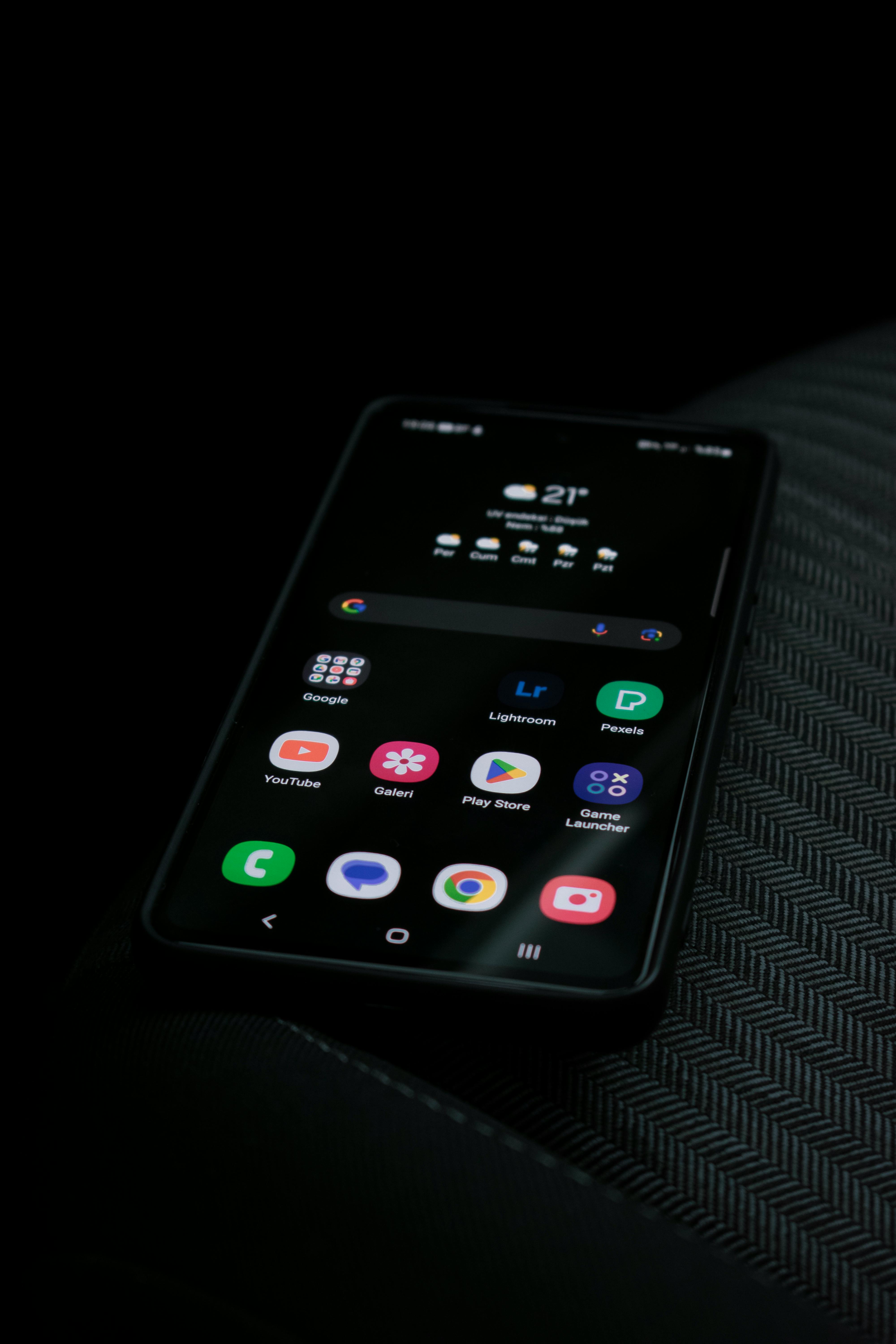
- Ahead of its expected July implementation, Kenya’s Finance Bill 2026 is drawing debate over what critics say is its potential to increase the cost of smartphones and digital financial services.
- Treasury Cabinet Secretary John Mbadi says the proposed 25% excise duty is meant to make the tax system simpler and is part of the government’s wider reform plans.
- But critics warn that the new excise duty might not replace existing taxes and could be added on top, making smartphones even pricier. Some advocates say this would hit students and low-income families the hardest and could worsen the digital divide.
Ahead of its expected July implementation, Kenya’s Finance Bill 2026 is drawing debate over what critics say is its potential to increase the cost of smartphones and digital financial services.
The bill adds a 25% excise duty on smartphones and removes the VAT exemption for digital financial services.
Government’s Case for Reform
Currently, imported smartphones face several taxes and fees, such as 16% VAT, customs duty, a 10% excise duty, import declaration fees, and the railway development levy. All these charges make smartphones costly for buyers.
Treasury Cabinet Secretary John Mbadi says the proposed 25% excise duty is meant to make the tax system simpler and is part of the government’s wider reform plans.
Read More
If the proposal is approved, the tax would be applied when a device is activated on a Kenyan mobile network, rather than when it is imported.
“The point of levying the tax is shifted from the point of entry to when you activate your phone,” Mbadi said. “The beauty with that is you are going to be able to start paying tax on a phone that you are using, not phones that are kept in stores by business people.”
Critics’ Concerns
But critics warn that the new excise duty might not replace existing taxes and could be added on top, making smartphones even pricier. Some advocates say this would hit students and low-income families the hardest and could worsen the digital divide.
The bill would also add a 16% VAT to fees charged by mobile money services such as M-Pesa and Airtel Money. Experts expect service providers to raise transaction fees to cover these additional costs.
“Most customers already struggle to afford new smartphones. Any extra tax will drive more toward second-hand or unofficial devices,” said Jeff Gichanga, a phone retailer in central Kenya, in remarks reported by TechCabal from an article by Business Insider Africa.
Implications for the Digital Economy
Kenya's mobile technology plays a significant role in the country’s economy. Smartphones and digital financial services help with financial inclusion, online shopping, and education.
Analysts warn that if devices and transactions become more expensive, fewer people may be able to participate in the digital economy. Many people have mixed feelings about the bill and worry about how to balance raising government revenue with keeping technology affordable.
What Happens Next
The final debates on the Finance Bill 2026 will decide whether these changes make taxes simpler or just raise the cost of staying connected for millions of Kenyans.
Stay connected with us on WhatsApp and Facebook for instant updates and breaking news as it happens.