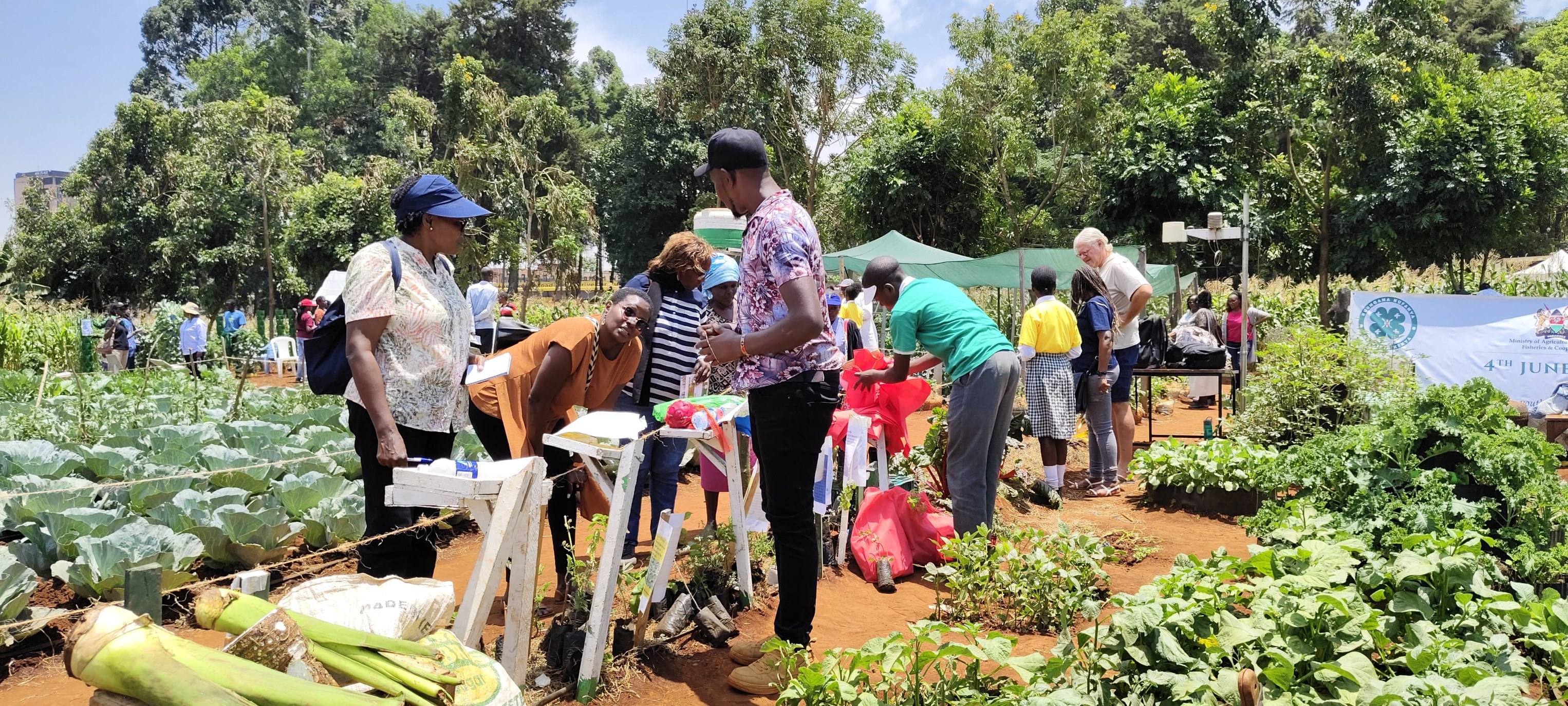
On February 17, 2026, The Cabinet Secretary for Agriculture and Livestock Development Mutahi Kagwe welcomed farmers to explore innovations that promise to boost productivity and strengthen agricultural value chains.
The Kenya Agricultural and Livestock Research Organization (KALRO) has launched its 4th Annual Open Mkulima Week, running from February to July 2026 across all its research centres nationwide.
KALRO invites farmers, agripreneurs, researchers, students, and partners to take part in showcasing innovations that are transforming agriculture in Kenya.
On February 17, 2026, The Cabinet Secretary for Agriculture and Livestock Development Mutahi Kagwe welcomed farmers to explore innovations that promise to boost productivity and strengthen agricultural value chains.
“I welcome all farmers to the 4th Annual Open Mkulima Week, running from February to July 2026 across all centres of KALRO. Get to explore innovations and technologies that will boost productivity and strengthen our agricultural value chains. Karibuni sana,” he said.
What’s Happening?
Read More
This year’s Open Research Week transforms KALRO institutes into hubs of learning and collaboration. Farmers, researchers, agribusiness players, and policymakers are coming together to share new technologies and farming practices.
Key highlights include:
• Live demonstrations of climate-smart farming tools
• Precision agriculture techniques tailored to local conditions
• Interactive sessions connecting farmers directly with researchers
The 2026 edition builds on the momentum of past years, especially the breakthroughs recorded in 2025.
What Did Kenya Achieve in 2025?
According to the Food Systems and Postharvest Network Africa (FSPN), the CAFAESUP Project made major strides in climate accountability. It moved closer to formal registration with Tanzania’s National Carbon Monitoring Centre—an important step in tracking emissions and promoting sustainable farming.
Other 2025 milestones:
- Over 60 agri-innovators mentored in digital marketing and business formalization
- Strong focus on youth and women entrepreneurs
- Reduced post-harvest losses and improved agribusiness competitiveness
What Did Kenya Learn in 2024?
The April 2024 Mkulima Open Week laid the foundation for today’s progress. Farmers engaged directly with researchers, exploring high-yielding seedlings, indigenous food products and agri-tech solutions for real-world challenges.
This hands-on approach accelerated technology adoption and improved productivity across value chains.
Who’s Behind It?
Much of this work is driven by the Food Security Consortium, a strategic partnership platform working to advance food and water security across Africa. The consortium collaborates with institutions like the University of Nairobi to turn lab research into practical farm-level solutions.
At the heart of it all is KALRO, Kenya’s leading agricultural research body. Established under the KALR Act of 2013, KALRO leads innovation in crops, livestock, biotechnology, and natural resource management—driving sustainable growth and better incomes for farmers nationwide.
Stay connected with us on WhatsApp and Facebook for instant updates and breaking news as it happens.