
-1786025022.jpg)
President William Ruto has proposed Vision 2060 as Kenya's next long-term development blueprint, opening a nationwide conversation on the country's future beyond Vision 2030. As public consultations begin on August 12, the debate shifts from reviewing the achievements and shortcomings of Vision 2030 to determining how Kenya can build a more prosperous, inclusive and industrialised economy over the next three decades
President Ruto has opened a debate on what comes next. He proposed the Vision 2060 blueprint, inviting citizens to help shape it, with public consultations announced to begin on August 12, 2026.
This new conversation builds directly on the foundation laid by Vision 2030, which was launched in 2008 as the country's long-term development blueprint after consultation with international experts, local specialists and ordinary Kenyans.
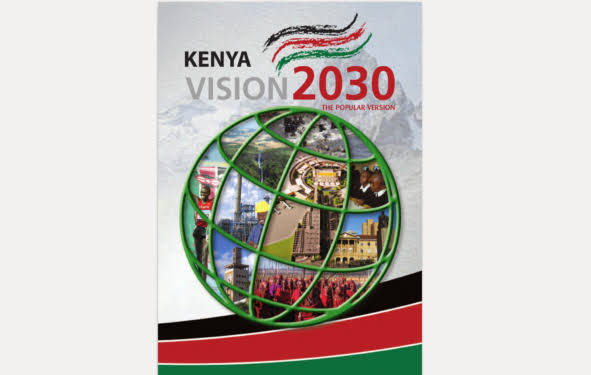
How Vision 2030 Was Developed
Read More
Consultation took place between October 2006 and August 2007 before the final launch in 2008. Its overall aim was to transform Kenya into an industrial and middle-income country and provide high-quality living conditions for its citizens by 2030.
The Three Pillars Behind Vision 2030
Three pillars hold the initiative. The economic pillar strived to maintain a steady economic growth of 10% from 2008 to 2030. The social pillar aimed to foster just, cohesive, and equitable social development in a clean and secure environment, and the political pillar aimed to develop an issue-based, people-centered, results-oriented, and accountable democratic government system.
Where Vision 2030 Succeeded
As of now, Vision 2030 has achieved some of its initial targets, while also falling short of some. Its current wins are the substantial expansion of transport systems, an example being the SGR railway project.
Notable as well are development of energy generation infrastructure like the Lake Turkana wind energy generation project in Loiyangalani, making Kenya a global leader in clean electricity generation; and an improvement in digital infrastructure, positioning the nation as one of Africa's leading digital economies.
Why Vision 2030 Fell Short of Its Goals
Despite the notable progress, the initiative still falls short of its defining ambition of transforming Kenya into an upper-middle-income, industrialized economy by 2030. Growth stayed steady but was not enough to shift the country's productive structure. On the economic growth target, the economy grew from 4.7% in 2024 to 4.6% in 2025, with growth picking up to 5.3% in Q1 2026, which is well below the 10% aim projected at the launch.
Can Vision 2060 Deliver What Vision 2030 Could Not?
Vision 2030 built the physical and digital foundations, but fell short of its ultimate economic purpose. As the country transitions to Vision 2060, the upcoming public debate will determine whether Kenya can finally turn these key pillars into widespread, everyday prosperity.