- Preparation begins months before the rally. Drivers build stamina, sharpen reflexes, and strengthen concentration to endure long, punishing courses. Gym workouts, running, and simulator sessions form part of their daily routines.
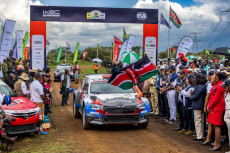
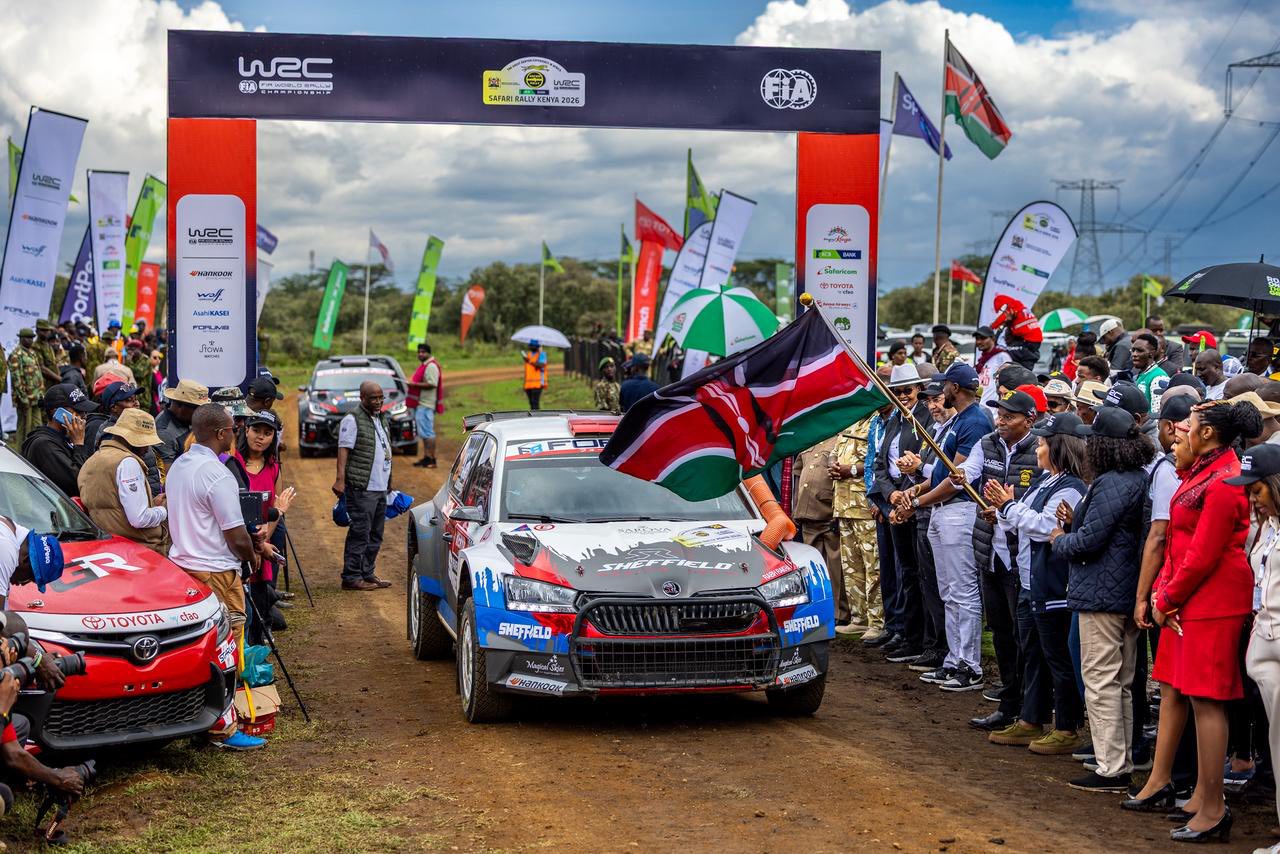
By the time the dusty plains of Naivasha glow under the morning sun, Safari Rally drivers are already awake. Crews train their bodies, cars, and minds long before engines roar and fans line the rally stages for one of the toughest motorsport events in the world.
Preparation begins months before the rally. Drivers build stamina, sharpen reflexes, and strengthen concentration to endure long, punishing courses. Gym workouts, running, and simulator sessions form part of their daily routines.
As Belgian rally driver Thierry Neuville puts it, “No matter the location, the goal is always to win.” Away from the car, Neuville spends hours in the gym, focusing on fitness and discipline to handle the physical and mental demands of high‑speed rallying.
The Safari Rally’s rocky gravel roads and unpredictable weather make it one of the most difficult races in the WRC calendar. Drivers face treacherous river crossings, unforgiving rocky terrain, deep slippery mud, thick dust clouds, and extreme weather shifts. Each hazard demands precision, timing, and resilience.
River Crossings: Streams turn into raging torrents after rainfall, forcing drivers to master timing and vehicle control.
Rocky Terrain: Sharp rocks threaten tires and undercarriages, requiring a balance between speed and preservation.
Mud: Heavy rains transform tracks into quagmires where traction disappears in seconds.
Dust: Fine particles obscure visibility, leaving drivers to rely on co‑drivers’ pace notes.
Weather Extremes: Scorching heat and torrential downpours test endurance and adaptability.
As rally week nears, teams set up base at the Naivasha service park. Mechanics, engineers, and drivers plan strategy, conduct reconnaissance runs, and prepare pace notes. Shakedown stages allow cars to be fine‑tuned—suspension, tires, and engines adjusted for the brutal conditions ahead.
Once the rally begins, drivers tackle multiple special stages each day before returning to the service park. Mechanics race against the clock to repair and prepare cars for the next run.
Beneath the dust clouds and engine noise lies a routine of discipline, teamwork, and strategy. Rally drivers are not just racers; they are athletes, explorers, and tacticians confronting one of motorsport’s greatest challenges.
This year, the Safari Rally also features unique stories of resilience.
Mother‑daughter duo Tinashe (driver)and Caroline Gatimu (navigator) embody the spirit of teamwork. Caroline explains: “You need to have that sync when listening. When she drives, she listens to me. When I read notes, I listen to her.” Tinashe adds: “You are never ready until the day of the rally. Pushing the body beyond its limits prepares the mind to do more.”
Drivers in the 2026 edition face even harsher conditions: torrential rains turning tracks into sludge, “fesh‑fesh” sand swallowing vehicles, and rocky stages like Kedong and Geothermal claiming punctures from top contenders such as Oliver Solberg and Takamoto Katsuta.
The Safari Rally remains more than a race. It is a test of endurance, a showcase of discipline, and a celebration of human and machine against nature’s extremes. For Naivasha, it is a spectacle of dust, determination, and the unyielding pursuit of victory.
Stay connected with us on WhatsApp and Facebook for instant updates and breaking news as it happens.