
- By mid‑century, the road supported industrial growth, with Nakuru evolving into a key manufacturing and logistics center. As Kenya’s road network expanded, the Nairobi–Nakuru route became part of the A8 highway, stretching to Mau Summit, Eldoret, and onward to Uganda.
Imagine travelling from Nakuru to Nairobi and back in just two hours? This vision is set to become reality with the dualling of the Rironi–Mau Summit Road. A journey that currently takes three to four hours could soon be cut in half, transforming how Kenyans move across the Rift Valley and beyond.
The upgrade promises more than speed. Easier access to Naivasha, Lake Nakuru, and the wider Rift Valley will boost tourism, opening doors for both domestic and international visitors. But to understand the significance of this project, one must look back at the highway’s long history.
Nairobi’s founding in 1899 as a railway depot on the Uganda Railway marked the beginning of its role as a transport hub. The British colonial administration quickly saw the need to connect Nairobi to the fertile Rift Valley, especially Nakuru and the White Highlands.
Nakuru township was proclaimed in 1904, and the road linking it to Nairobi was developed to support settler agriculture, particularly large‑scale dairy and wheat farming.
The highway became a lifeline for colonial estates, facilitating the movement of goods, labor, and officials between Nairobi and the expanding farms in Naivasha, Gilgil, and Nakuru. It carried milk, beef, pyrethrum, and cereals to Nairobi and onward to Mombasa for export.
Read More
Lord Delamere, one of the most influential settlers, established vast farms near Nakuru, and his legacy still shapes the region’s agricultural identity today.
By mid‑century, the road supported industrial growth, with Nakuru evolving into a key manufacturing and logistics center. As Kenya’s road network expanded, the Nairobi–Nakuru route became part of the A8 highway, stretching to Mau Summit, Eldoret, and onward to Uganda.
This made it a gateway to Western Kenya and a critical segment of the Northern Corridor, linking the port of Mombasa to landlocked East African countries. It also opened up tourism, connecting Nairobi to Lake Naivasha, Hell’s Gate, and Lake Nakuru National Park.
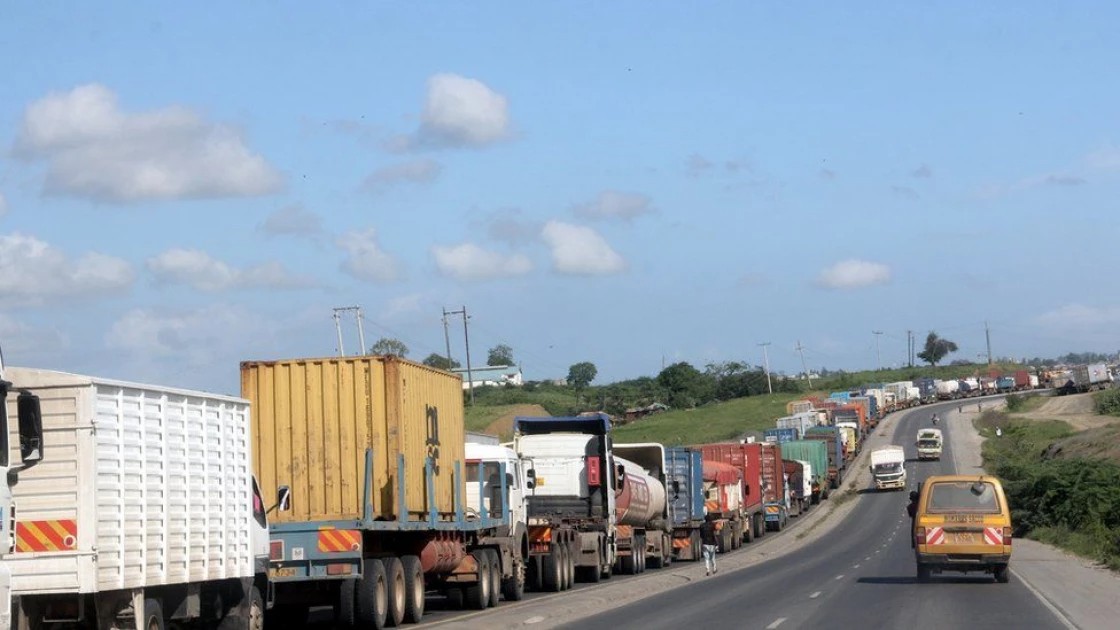
Yet the highway’s importance came with challenges. Today it carries approximately over 40,000 vehicles daily, including heavy trucks bound for Uganda, Rwanda, and South Sudan.
Narrow single lanes often cause traffic jams stretching for hours, while poor design has contributed to deadly collisions.
For decades, the Nairobi–Nakuru Highway has been both a lifeline and a danger zone. Previous attempts to expand it stalled due to financing challenges and land disputes.
Now, under the Rironi–Mau Summit project launched by President William Ruto in late 2025, the billion‑dollar expansion is finally underway. Expected to be completed by 2027, the project will dual the highway, add service lanes, and modernize junctions to ease congestion and reduce accidents.
The Kenya National Highways Authority (KeNHA) says the new design will cut travel time between Nairobi and Nakuru by half, while reducing accident rates through better signage, wider lanes, and safer pedestrian crossings.
Government leaders insist the project is about more than speed. It is about restoring safety, dignity, and confidence on one of Kenya’s most important roads — ensuring that journeys end at home, not at hospital gates.
From colonial tracks to modern lanes, Nakuru’s highway is changing — how should it change your life? Share your thoughts in the comments section below.
Stay connected with us on WhatsApp and TikTok for instant updates and breaking news as it happens.