- Cancer caregiving extends far beyond hospital visits. Caregivers manage medication schedules, provide nutritional support, assist with daily activities, and offer emotional reassurance during moments of fear and uncertainty.
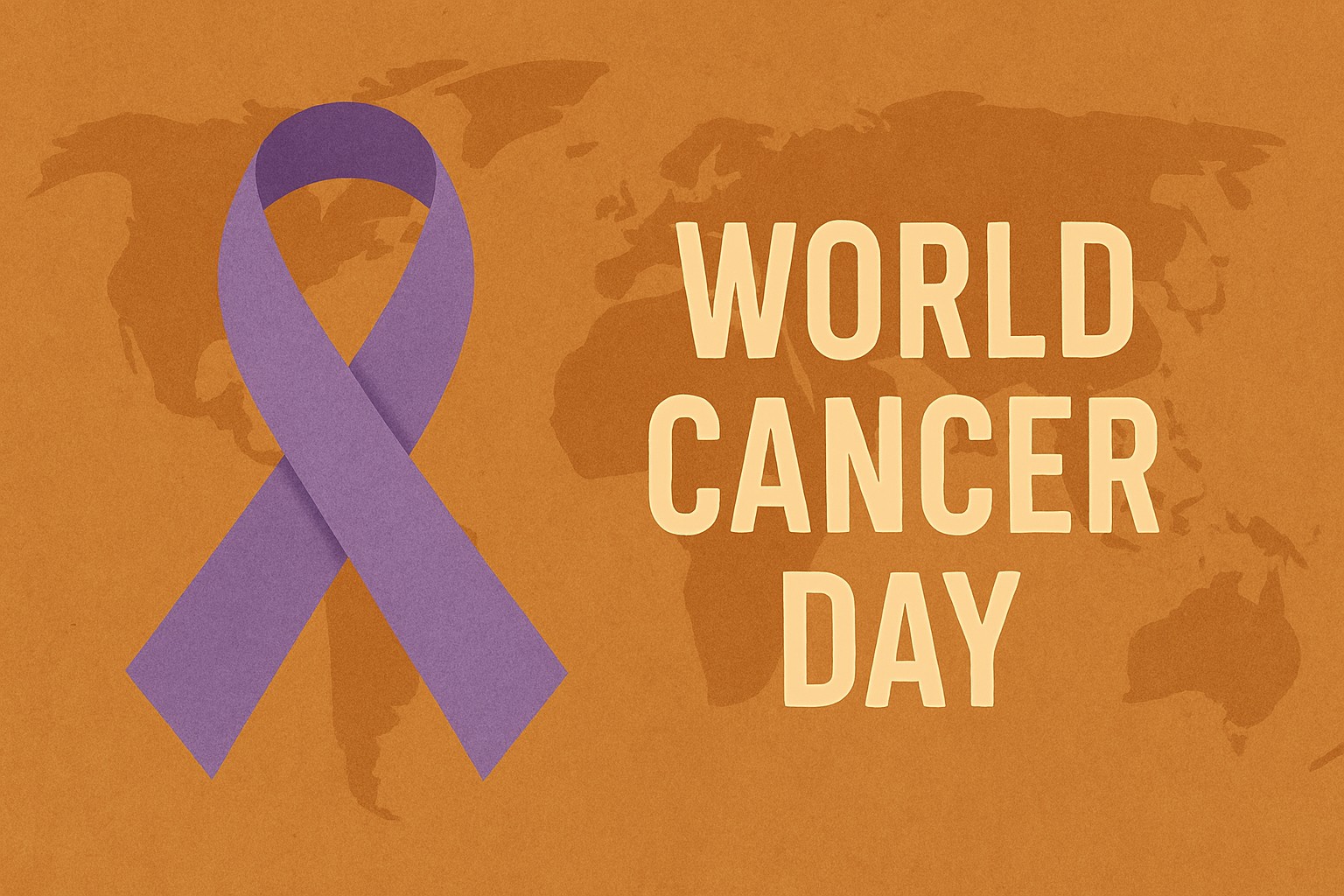
As the world marks World Cancer Day, attention often turns to medical breakthroughs and patient survival stories.
Yet another truth stands behind these narratives: caregivers—family members, friends, and health workers who make daily sacrifices that form the unseen scaffolding of cancer care.
The theme for World Cancer Day 2026, United by Unique, drives home this reality. As part of a three‑year global campaign (2025–2027) led by the Union for International Cancer Control (UICC), the theme emphasizes a people‑centred approach to care.
Cancer caregiving extends far beyond hospital visits. Caregivers manage medication schedules, provide nutritional support, assist with daily activities, and offer emotional reassurance during moments of fear and uncertainty.
Many sacrifice careers, finances, and personal well‑being to ensure their loved ones receive proper care.
Read More
The World Health Organization (WHO) stresses that effective cancer care must remain people‑centred, addressing medical, emotional, and social realities.
In practice, caregivers play a central role in ensuring treatment adherence and improving quality of life.
The Emotional and Financial Burden on Caregivers
Caregiving carries a heavy cost. Many caregivers experience emotional exhaustion, anxiety, and burnout.
Families often struggle with financial strain as they meet the costs of treatment, transport, and daily living expenses.
In low‑ and middle‑income households, these challenges intensify, with caregivers shouldering much of the responsibility at home.
Despite their critical role, caregivers rarely receive adequate mental health support or guidance on managing cancer care. This gap leaves many feeling isolated and overwhelmed.
Why Caregivers Matter
In Kenya, cancer continues to pose a major public health concern, affecting thousands of families each year.
The Ministry of Health works to strengthen cancer prevention, screening, diagnosis, and treatment services across the country. Efforts to decentralize cancer care and expand access reduce the burden on families and caregivers who often travel long distances for treatment.
Improved healthcare access and infrastructure allow caregivers to provide consistent and sustainable care at home. Yet national cancer strategies must do more to integrate caregiver support.
Why Supporting Caregivers Improves Cancer Outcomes
Supporting caregivers is essential, not optional. Informed, supported, and emotionally stable caregivers help patients adhere to treatment and achieve better outcomes.
Caregiver support must include psychosocial services, financial protection, community networks, and caregiver education.
World Cancer Day offers an opportunity to advocate for policies and programmes that recognize caregivers as vital to the cancer care ecosystem.
As we mark World Cancer Day 2026, we must expand the conversation beyond hospitals and treatment centres. Cancer care unfolds in homes, in shared sacrifices, and in the quiet resilience of caregivers.
Recognising and supporting caregivers remains a crucial step toward achieving equitable, people‑centred cancer care. When caregivers receive support, patients thrive and communities grow stronger.
Stay connected with us on WhatsApp and TikTok for instant updates and breaking news as it happens.