
- The US, like most powerful states, structures its foreign policy around strategic, economic, and security priorities. Washington has confronted governments of every ideological and religious background—Muslim, Christian, communist, and secular alike.
Editor's note: This analysis explores the strategic drivers behind global conflicts and aims to clarify common misconceptions about religion and foreign policy.
Since the United States (US) and Israel struck Iranian targets on February 28, 2026, a familiar argument has resurfaced: that these conflicts are fundamentally about religion.
Commentators point to past interventions in Iraq, Afghanistan, Libya, and Syria as evidence of a wider war against Islam.
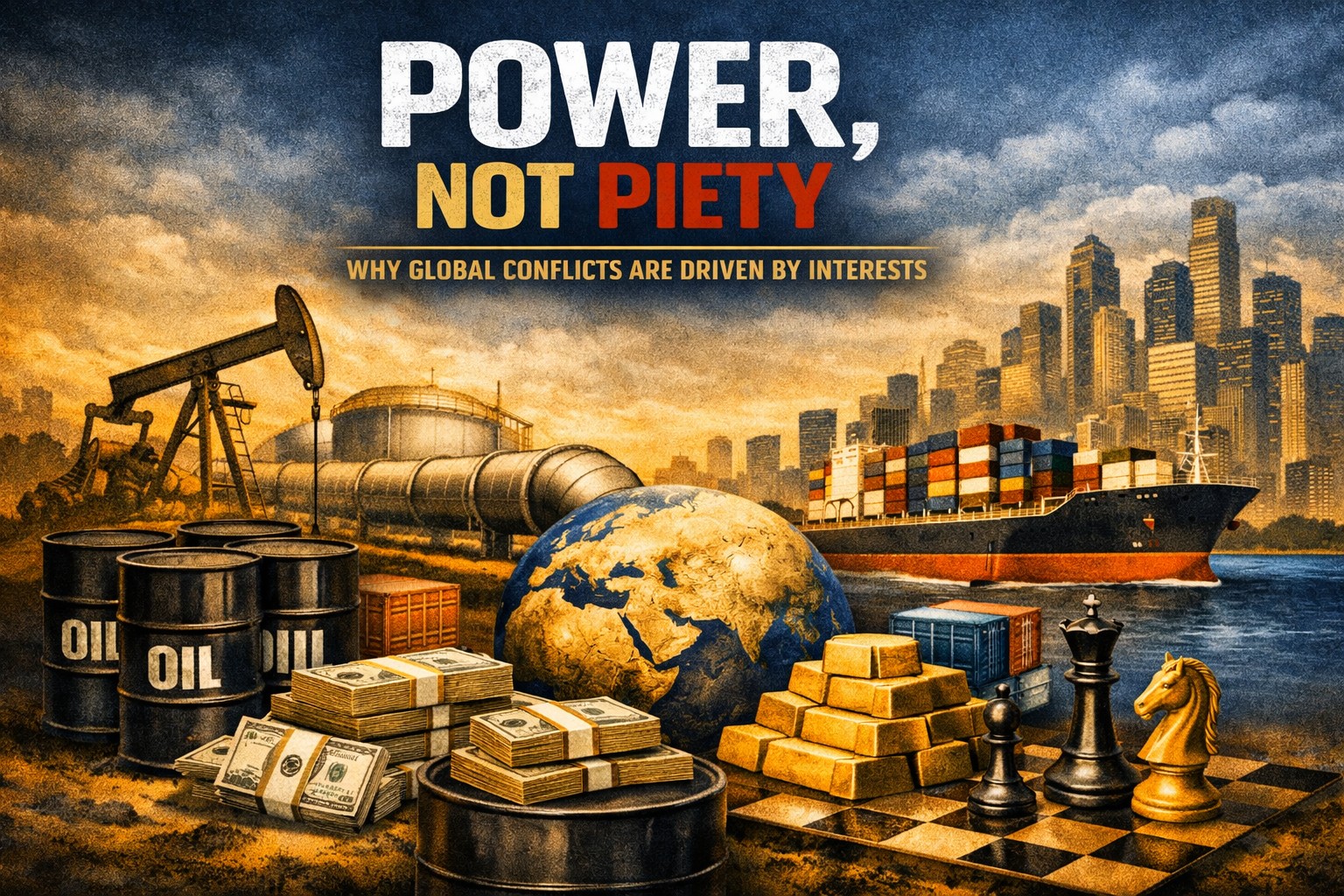
If history teaches us anything about global politics, it is that major powers rarely act because of religion. They act because of their interests.
The US, like most powerful states, structures its foreign policy around strategic, economic, and security priorities. Washington has confronted governments of every ideological and religious background—Muslim, Christian, communist, and secular alike.
Read More
At the same time, it maintains close alliances with Muslim‑majority countries such as Indonesia and Pakistan. This reality reveals an uncomfortable truth: in international politics, religion is rarely the decisive factor.
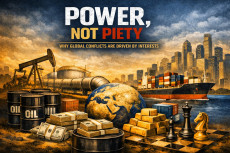
So why does the Middle East so often sit at the center of global conflict? The answer lies in history and resources. The region contains more than half of the world’s proven oil reserves.
Because global economies depend on these resources, instability threatens international energy prices, drawing in superpowers like the U.S., Russia, and China to protect their interests. Heavy reliance on oil revenues so‑called “rentier economies” has also fueled authoritarianism, corruption, and unrest, as seen during the Arab Spring.
The roots of modern conflict stretch further back. After World War I, Western powers carved artificial borders from the ruins of the Ottoman Empire, forcing diverse ethnic and religious groups into fragile states. Competition for power in these states has often been mobilized through religion, not because the conflicts began with faith, but because religion is a powerful organizing tool.
Iran today fits squarely into this geopolitical pattern. Its challenge to Western influence, its strategic location, and its energy resources make it a focal point not simply its Islamic identity.
Analysts from institutions like CSIS and CFR note that while religion is often invoked in rhetoric, U.S. foreign policy decisions are primarily driven by strategic, economic, and security interests.
That said, rhetoric matters. Senior U.S. officials have at times framed conflicts in overtly religious or Christian nationalist terms, prompting condemnation from the Council on American‑Islamic Relations (CAIR), which has called such language “dangerous” and “anti‑Muslim.” These words may inflame perceptions, but they do not change the underlying calculus: power, influence, and national interests are what drive decisions.
In global politics, religion may appear on the surface. But underneath, interests are almost always doing the real work.
Stay connected with us on WhatsApp and Facebook for instant updates and breaking news as it happens.

-1773058946-md.jpg)


-1773058946-sm.jpg)