
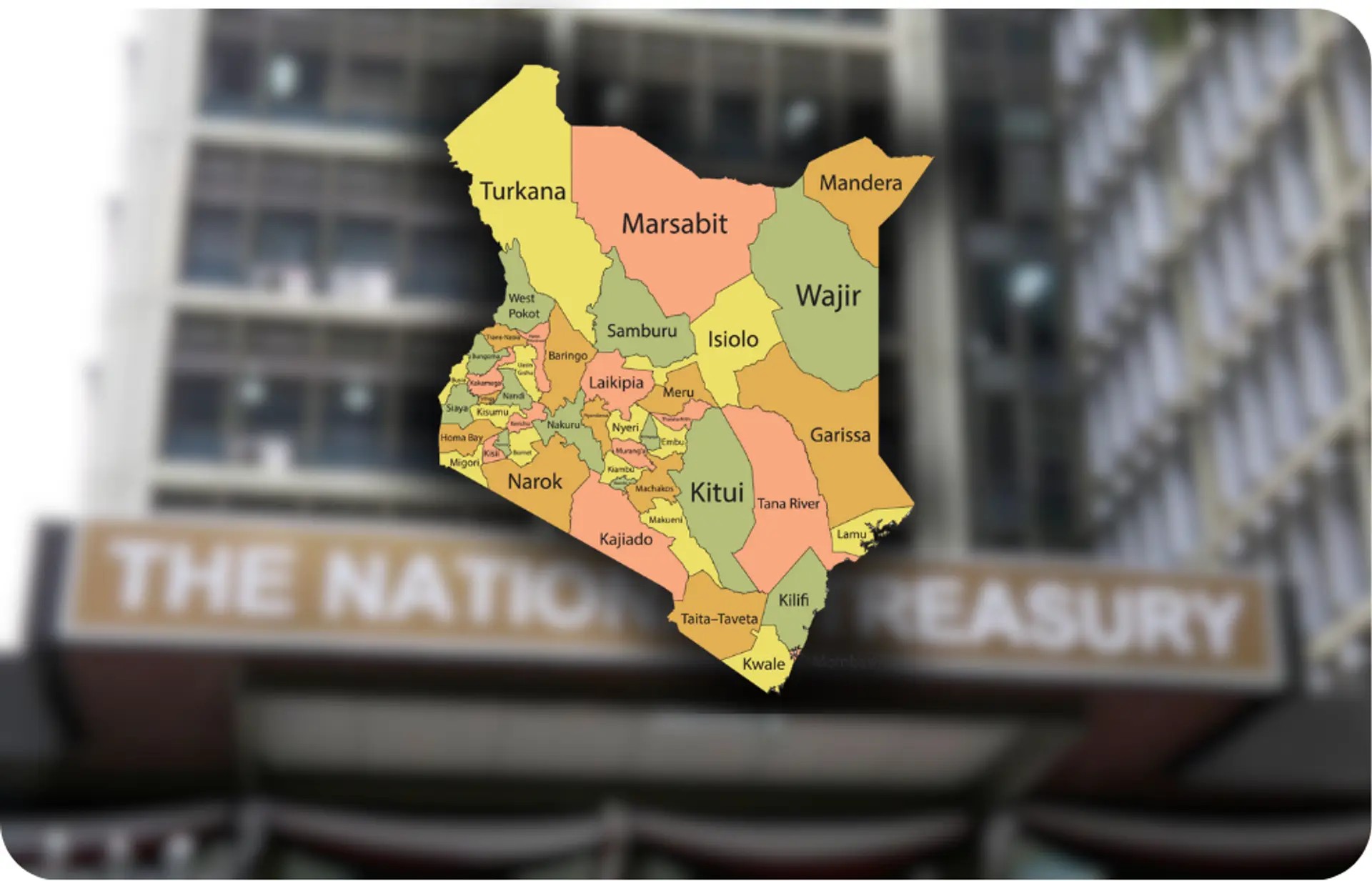
- Devolution stood out as one of the most celebrated promises which was a sign of response to decades of centralised misrule and marginalisation.
- More than a decade later, devolution has registered undeniable "successes" like various development yet equally overshadowed by challenges that cannot be ignored.
When the Kenya's 2010 constitution and it's centerpiece Devolution was endorsed, it stood out as one of the most celebrated promises which was a sign of response to decades of centralised misrule and marginalisation.
It promised to bring services closer to the people, enhance democratic participation and ensure resources are equally distributed across the 47 counties.
More than a decade later, devolution has registered undeniable "successes" like various development yet equally overshadowed by challenges that cannot be ignored.
It time for Kenya to take an honest relook into the devolution act and the broader devolved governance with the aim of strengthening it not weakening it .
One of the most persistent and damaging part of the Devolved structure is the cost of governance. The creation of 47 counties which has complete executives, assemblies and public service has led to high wage bill .
Read More
According to the Salaries and Remuneration Committee (SRC), the total public wage bill to ordinary revenue has averaged approximately 50 per cent in the last ten years.
Which is a dangerous thing to a country like Kenya which is struggling to grow economically as the Public Finance Management Regulations (2015) guides that national and county governments should not spend more than 35 per cent of their total revenue on personnel emoluments.
Weakened internal controls is also another rampant issue which is to be rechecked. Despite the existence of County assemblies and other oversight bodies, reports of resource misappropriation and lack of transparency remains rampant .
There is a huge leakage in devolved government where budgets are being over spent , funds meant for for services like health, infrastructure and education are not reaching to intended projects.
County governments are failing to follow procurement laws and public management laws as well not complying with financial regulations that are put in place which has made Devolution ineffective.
However, Devolution catalysed the growth of ethnicity and political division. Initially devolution aimed to reduce ethnic competition at the national level but instead it has just devolved to the lower level.
Counties were divided according to communities which share same ethnic values which has turned counties into political " bedrooms." This has raised concerns over exclusion of minority communities in the counties, unequal distribution of resources, border disputes and politicization of public appointments.
An evaluated devolution law should be be incorporated so that it ensures stronger inclusion of minority groups and having a well structured public participation processes for protecting the marginalized groups.
Kenya does not need less Devolution but it just needs better Devolution. Revisiting and reloooking the the Devolved structure is not failure but a sign of maturity and governance evolves.
The 2010 constitution laid a strong foundation and no clear shortcomings should be treated as sacred. Kenya should revisit it and make Devolved structure better for the better future of the country.
Stay connected with us on WhatsApp and Facebook for instant updates and breaking news as it happens.