- 47 countries and one territory have been certified malaria‑free, proving elimination is possible.
The World Health Organization (WHO) warns that antimalarial drug resistance is rising and threatens the global goal of malaria elimination.
In 2024, malaria caused an estimated 282 million cases and 610,000 deaths, 9 million more than the previous year with 95% of these deaths occurring in Africa, mostly among children under 5.
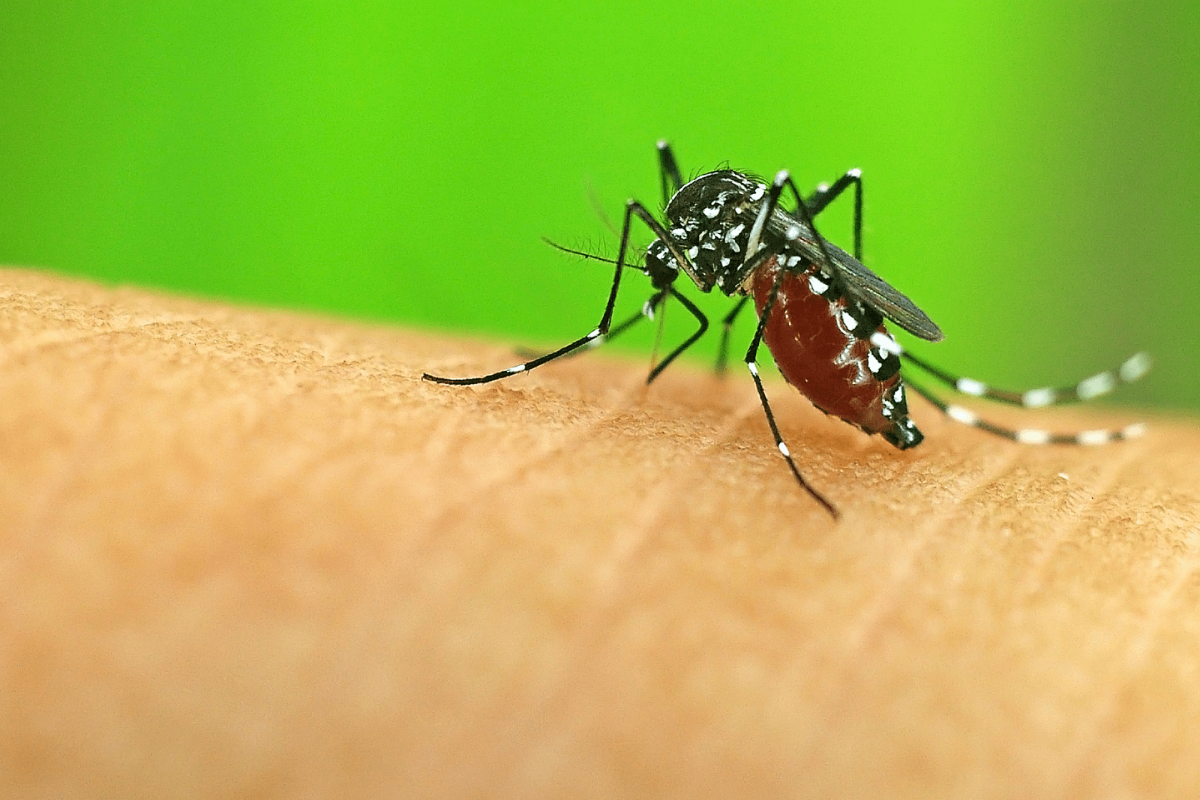
Extreme weather events are also reshaping mosquito habitats, fueling outbreaks, while conflict and instability disrupt health services, delaying diagnosis and treatment.
Global funding has also stagnated, with only US$3.9 billion invested in 2024 less than half of the US$9.3 billion target set for 2025.
Yet the World Malaria Report 2025 makes clear that no one should die from malaria.
Read More
Solutions already exist and are saving lives: dual‑ingredient nets and WHO‑recommended vaccines prevented 170 million cases and 1 million deaths in 2024; 24 countries have introduced malaria vaccines into routine immunization.
Furthermore, 47 countries and one territory have been certified malaria‑free, proving elimination is possible.
To overcome resistance and climate‑driven outbreaks, WHO says the world must scale up funding, strengthen health systems in conflict‑affected regions, invest in next‑generation drugs, and expand vaccine coverage.
Malaria remains a formidable challenge, but with sustained commitment and investment, the global community can transform it from a deadly disease into a story of elimination.