
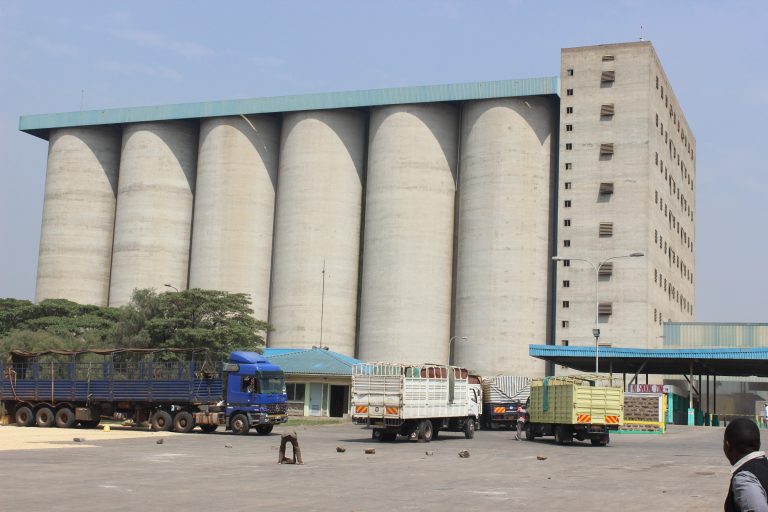
- A few people know that this was a multi-million-shilling project that failed because of importing technology and failing to adapt it to Kenyan situation. For decades, these towering silos stood as silent monuments to a failed agricultural experiment. Today, however, they tell a different story — one of resilience, reinvention, and the power of vision.
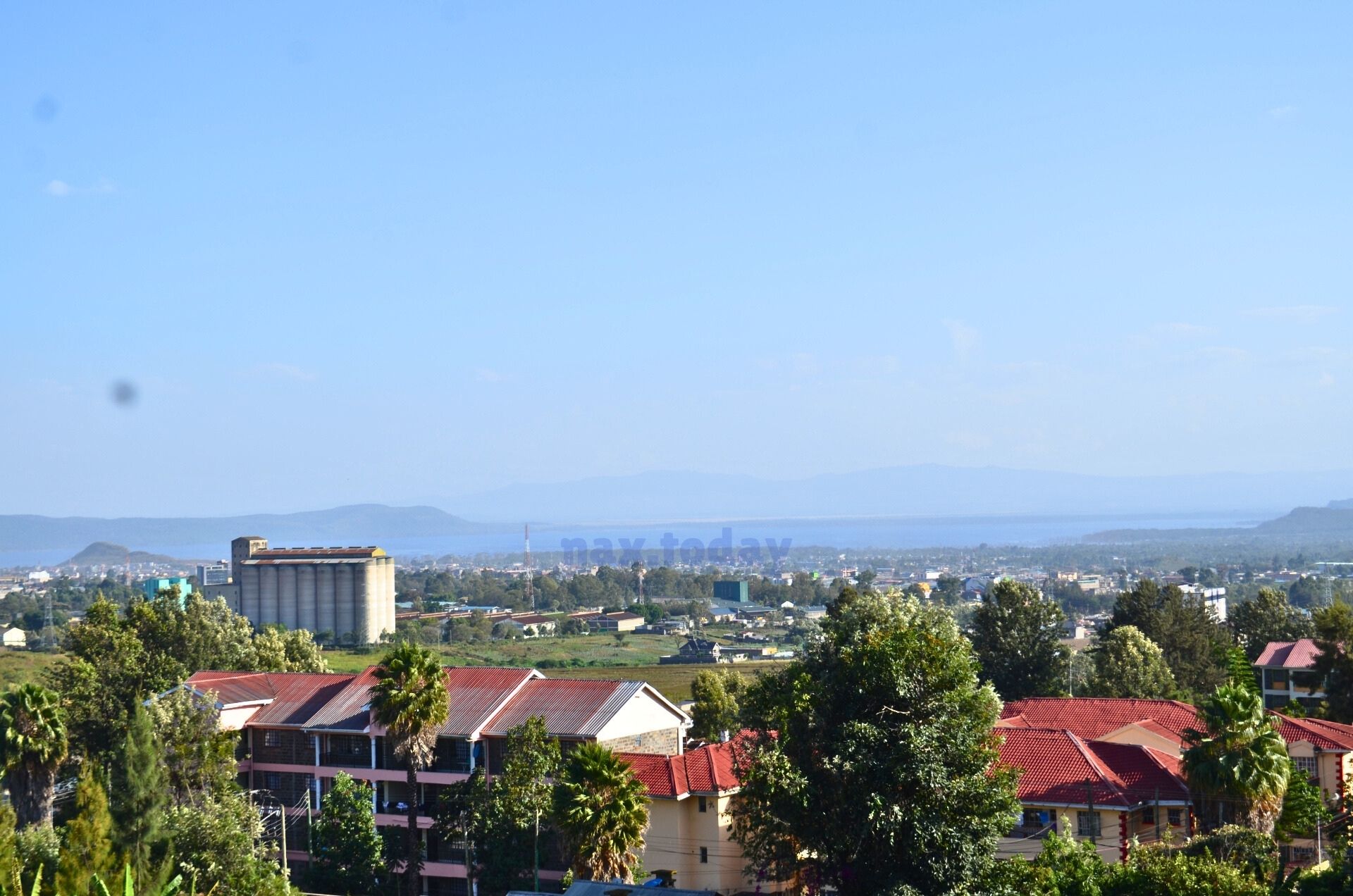
When you drive through Nakuru’s Industrial Area or from the purviews of Kiamunyi or Milimani estates, it is impossible to miss the colossal concrete structures rising defiantly against the skyline.
A few people know that this was a multi-million-shilling project that failed because of importing technology and failing to adapt it to Kenyan situation.
For decades, these towering silos stood as silent monuments to a failed agricultural experiment. Today, however, they tell a different story — one of resilience, reinvention, and the power of vision.
Read More
The Birth of a Dream
In the early 1970s, the National Cereals and Produce Board (NCPB) embarked on an ambitious project to revolutionize grain storage in Kenya.
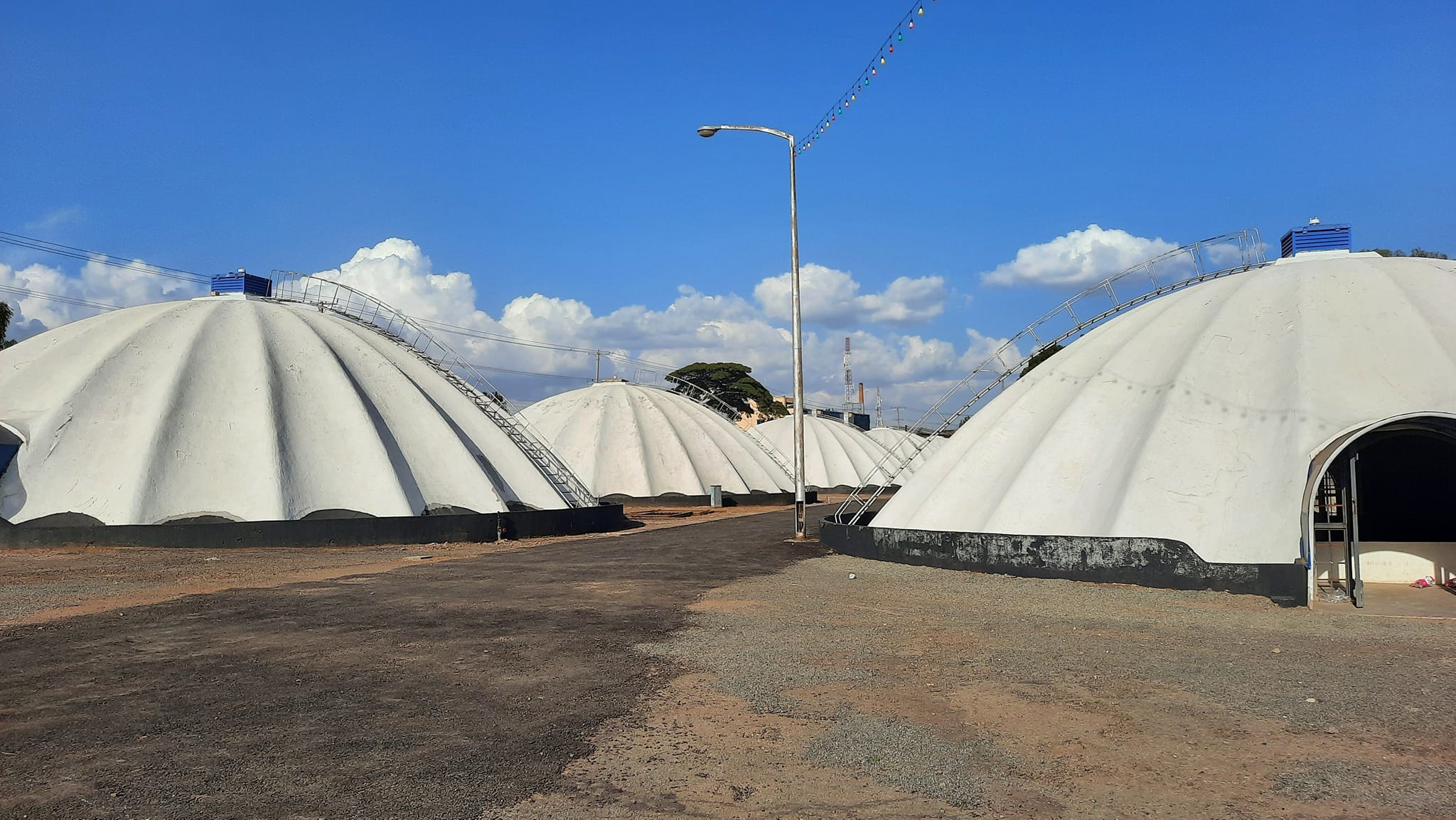
Using Cyprus technology, engineers constructed massive underground silos in Nakuru, designed to hold up to 3,000 metric tons of cereals. The project was hailed as a bold step toward modernizing food security in the country.
But the dream quickly soured. Structural cracks appeared, and the design made it difficult to pour cereals into the silos. By the late 1980s, the structures were declared obsolete. What was meant to be a beacon of progress became an abandoned relic.
Data shows that the Nakuru silos project was benchmarked in Cyprus, where engineers adopted underground grain storage technology. The construction was contracted to a Cypriot firm that specialized in silo engineering, but the project quickly ran into problems due to structural cracks and poor adaptation to Kenya’s soil and climatic conditions.
Years of Neglect
For decades, the silos stood idle, gathering dust and weeds. Their imposing presence became a paradox: a symbol of wasted potential and a reminder of Nakuru’s industrial past. The neglected site turned into a hideout for criminal gangs, further tarnishing its reputation.
Residents often wondered if the silos would ever serve a purpose beyond being a cautionary tale of failed planning.
Reinvention and Renewal
The turning point came when visionary entrepreneurs saw possibility where others saw ruin. Joseph Koech, among other visionary entrepreneurs, spearheaded efforts to repurpose the silos into recreational and commercial spaces. What was once a failed grain depot being now Cyprus Park, a vibrant hub of activity.
George Kamau, the park’s head of staff, explains: “They stayed dormant for long. But when investors came, they changed the situation. Now it’s a family fun place—one of the best.”
Chef Paul adds: “We offer activities and restaurants. Nyama choma, kienyeji chicken, fish—our food is good and delicious.”
Staff member Linet notes: “We have sauna, massage, scrubbing. It’s a place for relaxation and joy.”
Inside the silos, you’ll now find: a massage parlor tucked into one silo, a conference hall in another, adjacent facilities including a gym, theatre, and family-friendly recreational spaces.
Children ride miniature trains, families enjoy Go-Kart tracks, and visitors marvel at how industrial ruins have been transformed into a thriving leisure destination.
A Symbol of Nakuru’s Growth
Nakuru, recently elevated to city status, has embraced the silos as part of its identity. Once monuments of failure, they now stand as emblems of creativity and adaptive reuse. Tourists flock to see them not for what they were, but for what they have become.
The silos remind us that cities, like people, can reinvent themselves. What was once a cautionary tale now stands as a celebration of vision — proof that even abandoned dreams can drive transformation.
More than concrete towers, they are storytellers: whispering of ambition, stumbling through failure, and roaring with rebirth. In their shadows, Nakuru has found not just leisure spaces, but a metaphor for resilience — a city refusing to be defined by its past.
Other Silos by NCPB
Other towns took a different path. In Eldoret, Nairobi, and Mombasa, silos were constructed later in the late 1970s and 1980s by different companies using conventional steel and concrete designs.
These facilities, unlike Nakuru’s underground silos, were better adapted to local conditions and remain functional today.
Smaller depots in Kisumu, Bungoma, Kitale, and Meru also host corrugated steel silos, forming a nationwide network that supports Kenya’s strategic grain reserves.
The contrast is striking: Nakuru’s silos, built by foreign contractors with unsuitable designs, became monuments of failure before being reborn as recreational landmarks.
Eldoret and Nairobi’s silos, built by different firms in a later era, continue to serve their original purpose — quietly safeguarding Kenya’s food supply.
Eldoret Silos
Eldoret, often called the “breadbasket of Kenya,” hosts one of the largest National Cereals and Produce Board (NCPB) depots. Its storage facilities are conventional steel and concrete silos that remain operational to this day.
Farmers from Uasin Gishu and Trans Nzoia counties deliver maize here, making Eldoret a critical hub for Kenya’s strategic grain reserves. These silos stand as a testament to how practical engineering, aligned with local conditions, can sustain food security for decades.
Nairobi Silos
In Nairobi’s Industrial Area, NCPB maintains silos that serve as a backbone for the city’s food supply chain. Designed for wheat and maize storage, they are part of Kenya’s strategic reserves and ensure that the capital is buffered against shortages.
Unlike Nakuru’s abandoned towers, Nairobi’s silos blend into the industrial landscape, quietly fulfilling their purpose and highlighting the endurance of functional infrastructure.
Mombasa Silos
At the port of Mombasa, silos handle imported grain, particularly wheat and maize, before distribution inland. These hopper silos are vital for Kenya’s food system, ensuring smooth logistics from ship to storage.
Their existence underscores the importance of location-specific design: coastal silos are built to withstand humidity and facilitate bulk handling, unlike Nakuru’s underground silos that struggled with soil and structural issues.
Smaller Towns: The Network of Reserves
Beyond the big cities, towns like Kisumu, Bungoma, Kitale, and Meru host smaller NCPB depots with corrugated steel silos.
Though less iconic, they form part of a nationwide safety net, ensuring grain storage capacity is spread across regions.
These facilities may not attract tourists like Nakuru’s towering structures, but they quietly serve their purpose — stabilizing Kenya’s food supply.
Together, these silos tell a layered story. Nakuru’s towers remind us of the risks of importing technology without local adaptation, while Eldoret, Nairobi, and Mombasa highlight the endurance of practical design.
In their differences, they capture Kenya’s journey — from ambitious dreams and costly missteps to resilience, reinvention, and the steady pursuit of food security.
Share your thoughts: should more abandoned projects across Kenya be reinvented into community spaces, or preserved as cautionary landmarks?
Stay connected with us on WhatsApp and Facebook for instant updates and breaking news as it happens.