
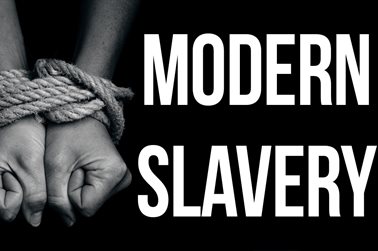
- In Kenya, slavery is not just history it is a reality many do not even recognize. Bound by chains forged centuries ago, workers today still endure exploitation. In trades such as courier services and manual laundry, nearly one in ten couriers earn below KES 30,218 a month — barely twice the minimum wage.
On December 2, 2025, the United Nations (UN) Secretary‑General António Guterres reminded the world of a painful truth: “Slavery is a horror from the history books – and a relentless contemporary crisis.”
Marking the International Day for the Abolition of Slavery, he urged the world to remember the more than 15 million men, women, and children across Africa who were seized, shackled, and sold into bondage across the ocean or perished along the way.
He spoke of the scars their enslavement left on societies: structural inequalities and systemic injustices that have persisted for generations. And he rallied the world to protect the estimated 50 million people still trapped in modern forms of slavery, many of them women and children, while appealing for an end to violations like forced labour and forced marriage.
In Kenya, slavery is not just history it is a reality many do not even recognize. Bound by chains forged centuries ago, workers today still endure exploitation. In trades such as courier services and manual laundry, nearly one in ten couriers earn below KES 30,218 a month — barely twice the minimum wage.
This echoes the old system where Arabs controlled the coast and treated people as property, later reinforced under British rule, where whites and Asians were superior and Africans reduced to cheap labour.
The colonial legacy lingers. Labourers once forced to work farms, plantations, and construction sites to pay compulsory taxes now face a modern version: recruitment debt. Young Kenyans seeking opportunities abroad are trapped in contracts that bind them until debts are cleared, just as hut and poll taxes once forced Africans into colonial service.
According to the Global Slavery Index (2023), debt bondage accounts for much of the estimated 269,000 people living in modern slavery in Kenya in 2021.
Agriculture tells another grim story. Kenya’s fertile soils produce tea and coffee consumed in Europe in vast quantities, yet the human cost is hidden. Reports reveal that many women in tea farms endure sexual exploitation to secure employment, spreading HIV and devastating families. Their wages are meagre compared to the profits reaped by managers and CEOs, a cruel reminder of coercion and inequality rooted in colonial labour systems.
Colonial policy divided Kenyan labourers to serve Britain’s interests, disregarding health and working conditions.
Kenya’s Prevention of Human Trafficking Act (2010) recognizes these practices as trafficking, yet many remain unaware they are enslaved by circumstance. The truth is sobering: slavery has evolved, but it has not disappeared.
The only way forward is collective action. Governments, international buyers, and local communities must dismantle the colonial economic foundations that still perceive Kenyans as expendable labour. Only then can citizens be granted full dignity, fair earnings, and the esteem of true citizenship.
Stay connected with us on WhatsApp and Instagram for instant updates and breaking news as it happens.