

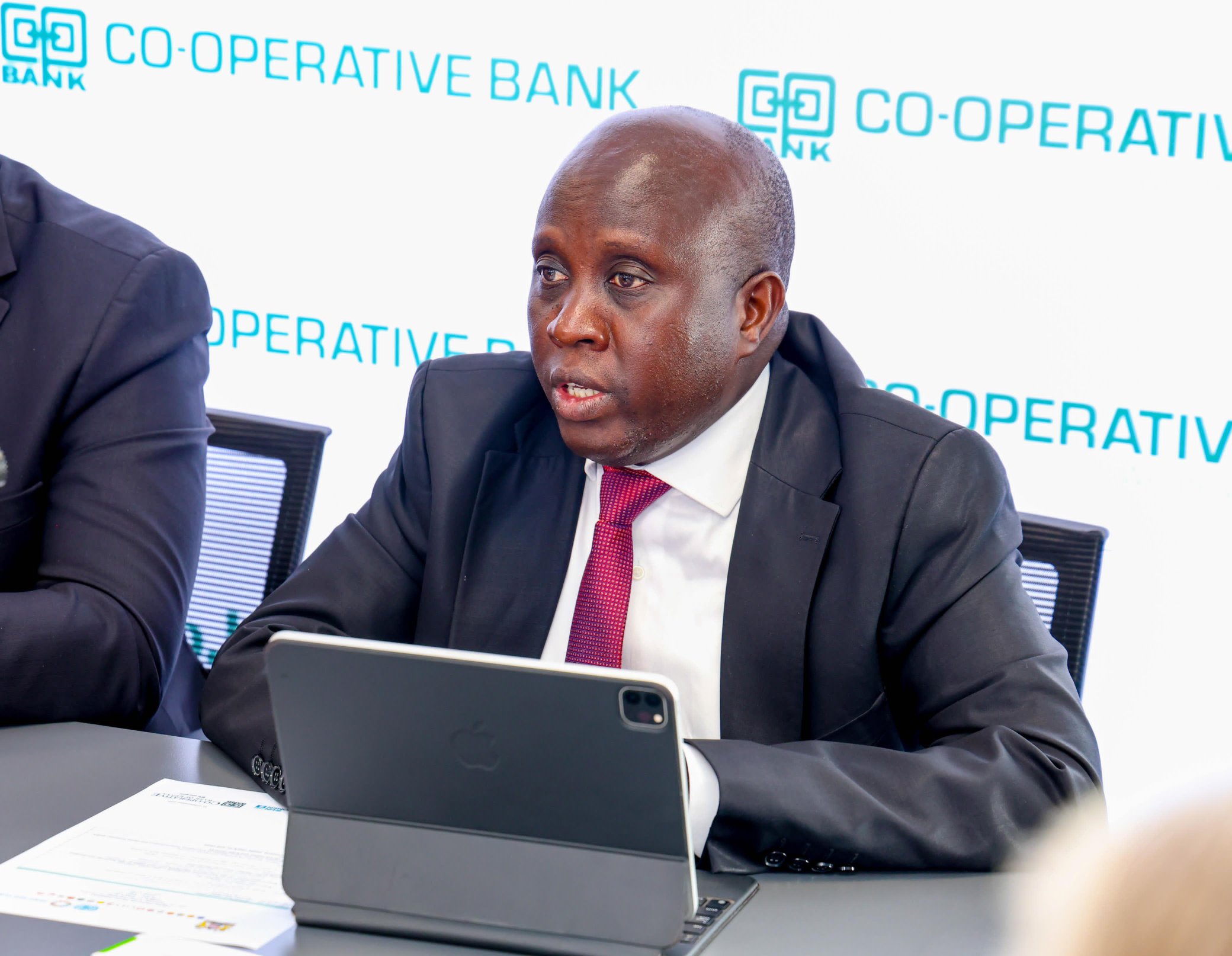
- Among the flagship initiatives is a risk‑sharing guarantee scheme backed by the United Nations Capital Development Fund (UNCDF) in partnership with the Co‑operative Bank of Kenya. This model “de‑risks” lending, enabling banks to extend affordable credit to youth‑led startups and digital MSMEs that often lack traditional collateral.
Kenya is positioning itself as a hub for the digital economy, accelerating job creation and innovation through bold partnerships and new funding models.
The Principal Secretary (PS) for ICT and Digital Economy John Tanui affirms that the government is deliberately empowering youth to monetize content, scale enterprises, and build indigenous platforms by collaborating with global players like Meta and YouTube while unlocking local financing opportunities.
Among the flagship initiatives is a risk‑sharing guarantee scheme backed by the United Nations Capital Development Fund (UNCDF) in partnership with the Co‑operative Bank of Kenya. This model “de‑risks” lending, enabling banks to extend affordable credit to youth‑led startups and digital MSMEs that often lack traditional collateral.
Tanui explains the challenge: “When you want to build a house, you can take a land title to the bank and secure funding. But when you want to build a digital platform on cloud infrastructure, you only bring your mind and ideas—and few banks accept that.”
The new programme aims to change this reality, allowing entrepreneurs to access financing based on innovation rather than physical assets.
Read More
The government has worked with UNCDF, UNICEF, UN Women, and other UN agencies to unlock this space, recently signing a funding agreement with Co‑operative Bank to support digital enterprises. Tanui emphasizes that this approach will enable young Kenyans to come to the table with ideas alone, sparking the creation of more homegrown platforms.
Beyond financing, the government is investing in digital inclusion. Recognizing that Kenya’s digital economy contributes less than the global average of 15 percent to GDP, Tanui underscores the urgency of expanding access.
The state has committed to rolling out 25,000 public Wi‑Fi hotspots across markets, bus stages, digital hubs, and other public spaces. This infrastructure will allow citizens to learn, explore business opportunities, and commercialize platforms with ease.
Stay connected with us on WhatsApp and Facebook for instant updates and breaking news as it happens.