- When Chirchir’s vision gradually became foggy six months ago, he never gave it much thought. He ignored it, believing it would return to normal the next day, since he was still conducting his business as usual and saw no reason to worry.
The midmorning sun is relentless in the dusty Kapkures Centre, Nakuru County. Motorcycles pass by, blowing dust onto traders’ wares as they defy the heat to trade. It is a relatively busy centre, about seven kilometers from Nakuru’s central business district.
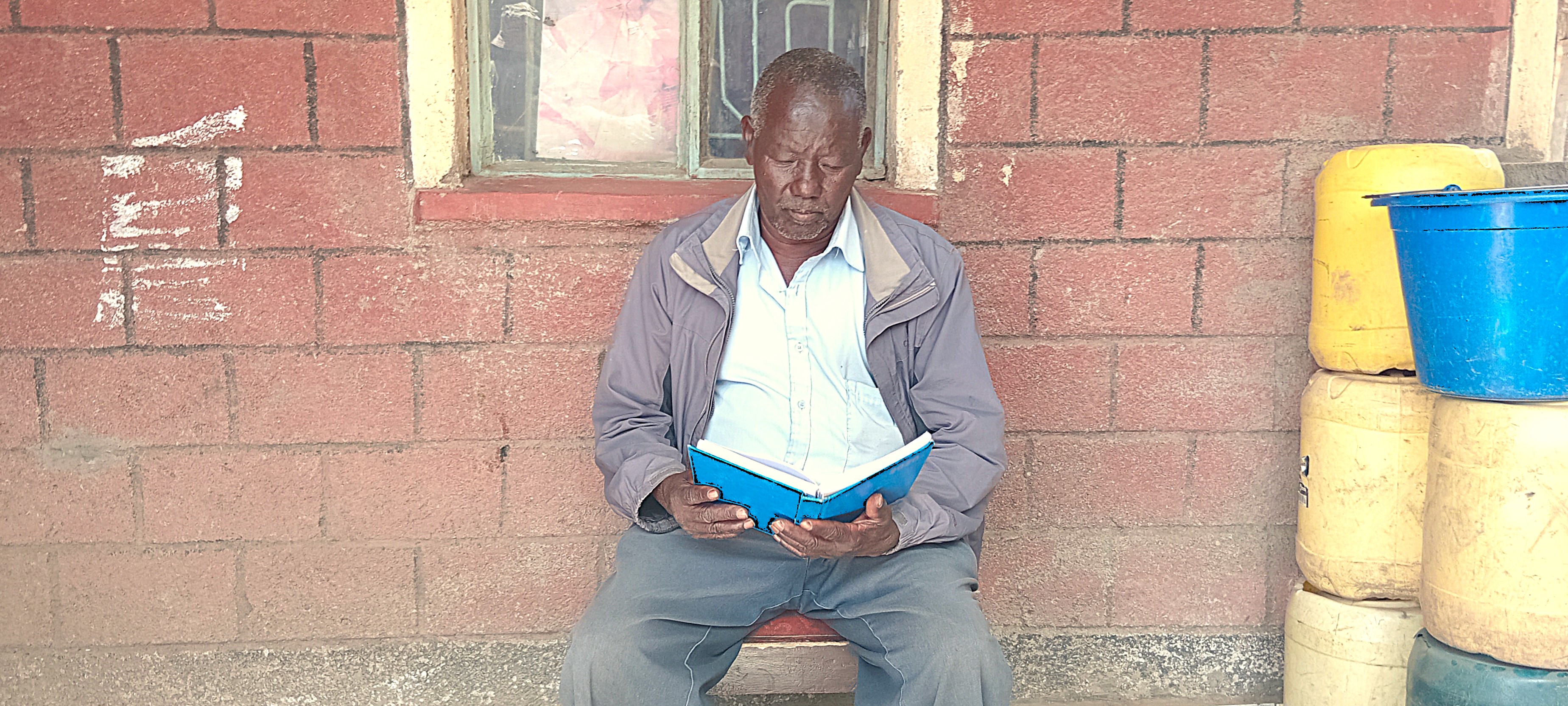
Behind one of the shops is a homestead belonging to 72‑year‑old Reuben Chirchir, a renowned businessman. He owns a slaughterhouse that offers slaughtering services, and that is how he earns his income.
When Chirchir’s vision gradually became foggy six months ago, he never gave it much thought. He ignored it, believing it would return to normal the next day, since he was still conducting his business as usual and saw no reason to worry.
“At first it was not serious. I never expected that it would one day become an impediment to my daily duties,” Chirchir says.
Months later, when the situation deteriorated, his eye became painful and his vision even foggier. That was when he decided to get checked at a nearby dispensary. It marked the beginning of his treatment journey.
Read More
He sought help from several hospitals with no success. Each time he went, he was given prescription medicine that did not improve his foggy vision. The situation was becoming serious.
“My vision became foggy. I couldn’t count money properly or even read well. That is when I knew something was totally wrong,” he says.
One Sunday, as he went to worship at Africa Gospel Church (AGC), he saw a tent outside and decided to seek consultation about his eye issue. That was when he was informed that he had cataracts, which could be removed free of charge at Bloom Hospital in Nakuru City.
What followed was an appointment at the hospital, where he was scheduled for an operation to remove the cataract. The surgery was successfully performed on his right eye. These cataract operations were free, courtesy of several donors, including the Islamic Development Bank, which has made the surgeries accessible.
“Now that eye can see. I can even read. Unlike before, I couldn’t even see things that were close,” Chirchir says.
Dr. Mohammed Habsa, one of the team leads, explains that the operation is minimally invasive compared to older techniques that left scars and took long to heal. This method is effective and allows for quick recovery.
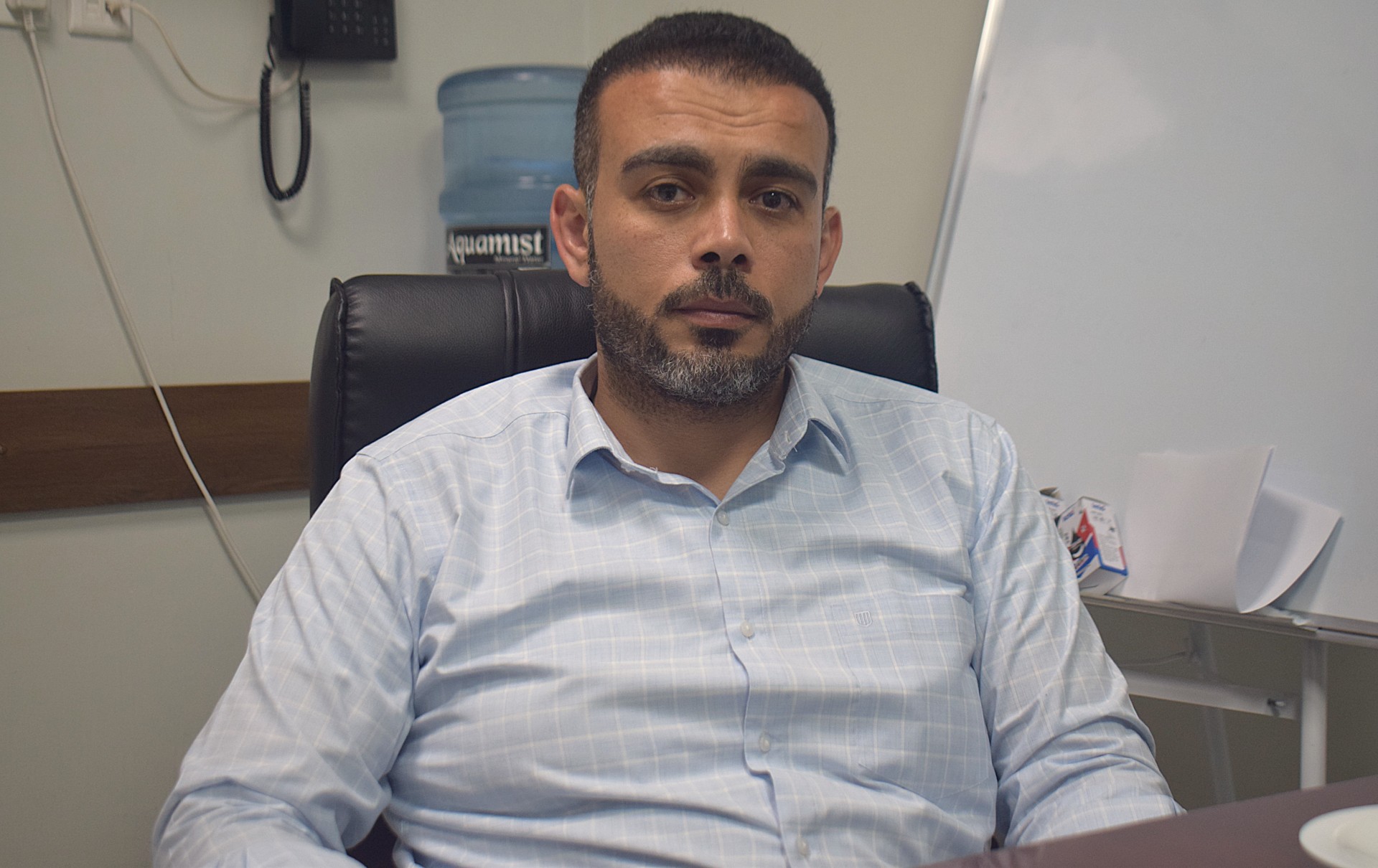
“The procedure itself takes between five to ten minutes. It’s not very complicated. It’s a simple one,” he says.
Doctors at Bloom Hospital deploy modern technology known as Phacoemulsification. They make a tiny incision, break down the affected area into pieces, and then use suction to remove them.
This initiative works together with local hospitals to enable community outreach, test patients, provide transportation to medical facilities, and conduct surgery free of charge for patients who cannot afford treatment.
The clear lens at the front of the eye is made of distinct proteins. Cataracts develop when these proteins break down and create cloudy patches on the lens. Over time, the patches grow larger, causing blurry vision.
This condition often occurs with age but can also result from injury, birth defects, or complications from illnesses like diabetes. Dr. Habsa notes that contemporary surgical methods enable doctors to quickly and safely restore vision.
“Cataract surgery is relatively simple. We remove the opaque lens and replace it with an artificial one. It completely restores a person’s vision,” Habsa says.
Dr. Habsa explains that patients typically return to the hospital the following day for their first check‑up after surgery. The eye cover is removed 24 hours after the operation to examine the eye and ensure there are no complications. If everything is fine, many patients begin seeing clearly within 24 to 48 hours.
Dr. Ahmed Barrage, also among the team of doctors saving the sight of cataract patients, says the programme targets those unable to pay the high cost of surgery.
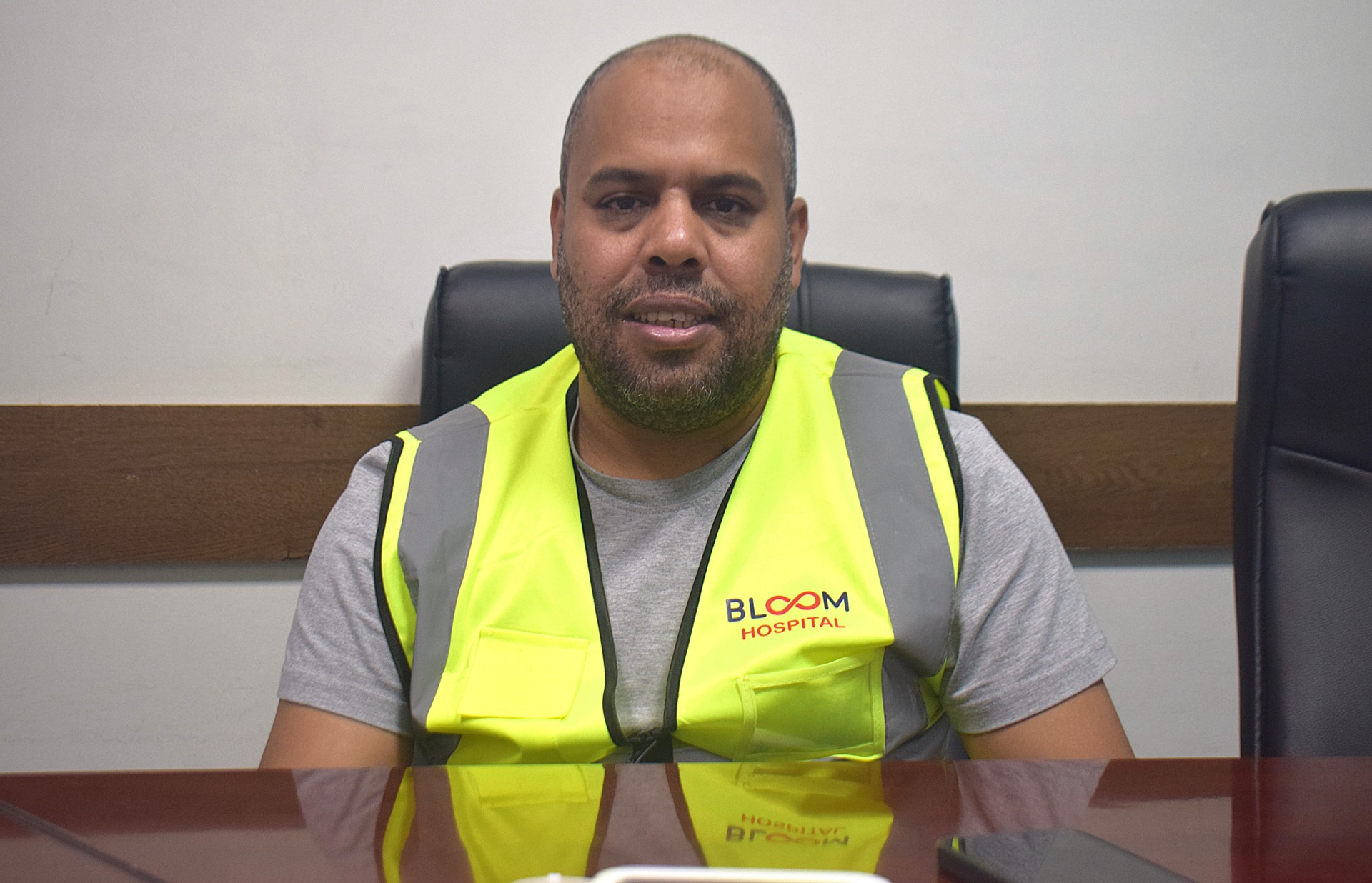
“The average cost of cataract surgery in the private sector in Kenya varies from Ksh 85,000 in some hospitals up to a maximum of Ksh 120,000,” he says.
According to the Rapid Assessment of Avoidable Blindness (RAAB) report of 2024, although prevalence has decreased from 0.7 percent in the 1990s to 0.4 percent, the demand for optical health services remains critical.
Four out of every one thousand Kenyans are either blind or experience eye‑related issues, necessitating immediate eye care.
The study highlights cataracts as a prominent eye condition, continuing to be the leading cause of blindness despite being correctable through affordable surgery. The report indicates that cataracts, uncorrected refractive errors, and glaucoma account for approximately 85 percent of visual impairments.
According to the World Health Organization’s 2026 report on blindness and visual impairment, at least 2.2 billion individuals worldwide experience some form of near or distant vision impairment.
Out of these, at least 1 billion people have vision issues that could have been avoided or remain unaddressed. The primary causes of vision impairment and blindness include refractive errors and cataracts.
It is estimated that 66 percent of individuals in low‑income countries who require eyeglasses do not have access to them. Moreover, half of the global population in need of cataract surgery lacks access to this necessary procedure. Vision impairment creates a significant global economic burden, with the annual loss in productivity estimated at US$ 411 billion.
Stay connected with us on WhatsApp and Facebook for instant updates and breaking news as it happens.