- Kenya's Digital Superhighway is a cornerstone of the Bottom-Up Economic Transformation Agenda (BETA), targeting nationwide high-speed internet through a 100,000 km fibre optic network expansion, public Wi-Fi hotspots, and 1,450 ward-level digital hubs. It aims to digitize government services, enhance SME digital adoption, and bridge the rural digital divide.
Imagine a Kenyan Zootopia — a country where free Wi‑Fi hotspots dot the landscape and the long hustle of queuing at county offices steadily fades away.
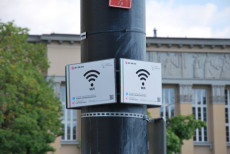
This vision is already unfolding. By 2025, the government, working with partners such as Safaricom and the ICT Authority, began rolling out public Wi‑Fi points across Kenya.
In marketplaces in Nakuru, Nairobi and all over the country, citizens can already connect freely. The initiative is steering Kenya into a more digitized era where young people can apply for opportunities abroad, entrepreneurs can transact seamlessly, and even mama mboga can reach customers through mobile money apps without worrying about connectivity.
The rollout is designed to be cost‑effective, with the government leveraging Kenya Power’s existing infrastructure to extend coverage. Officials frame it as a bold step toward inclusion, ensuring that even Kenyans in mashinani can access e‑government services.
Kenya's Digital Superhighway is a cornerstone of the Bottom-Up Economic Transformation Agenda (BETA), targeting nationwide high-speed internet through a 100,000 km fibre optic network expansion, public Wi-Fi hotspots, and 1,450 ward-level digital hubs. It aims to digitize government services, enhance SME digital adoption, and bridge the rural digital divide.
Read More
But beyond the official narrative lies the real test: how do citizens themselves feel about this digital leap?
Nax Today spoke to citizens in Nakuru to gauge their views on the Wi‑Fi rollout. While many welcomed the idea of easier access to services, others raised concerns about the security of digitized platforms.
They pointed to the recent controversy surrounding the Social Health Authority (SHA), where an alleged loss of 11 billion shillings has cast doubt on the safety of digital systems.
Stephen (not his real name) had this to say: "As much as the idea is good, I don't think we’ve reached that level yet. We have much bigger problems than Wi-Fi—we can just buy data bundles. It’s a good idea, but it is way ahead of us; we haven't reached that stage of development yet."
Stay connected with us on WhatsApp and TikTok for instant updates and breaking news as it happens.