- According to Duale, the rejected claims came from across the health sector: private facilities accounted for about Ksh6.8 billion, county governments for Ksh2.8 billion, faith‑based institutions for Ksh1.1 billion, and national referral hospitals—including Kenyatta National Hospital, Moi Teaching and Referral Hospital, Kenyatta University, Jaramogi Oginga Odinga, Mathare, and Othaya—together for about Ksh450–500 million.
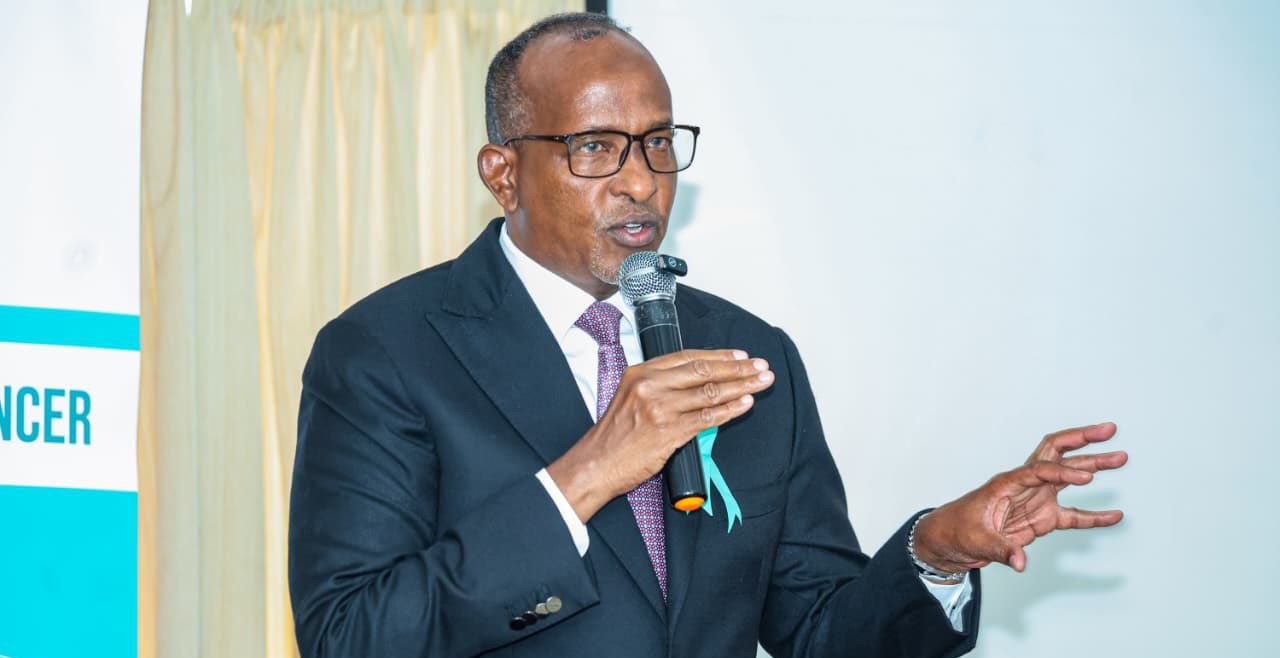
Health Cabinet Secretary Aden Duale has defended the Social Health Authority (SHA) after an audit exposed the sheer scale of attempted fraud in Kenya’s health insurance system.
"It is us who rejected the Ksh11.6 billion fraud‑laden claims, and that is why I am the Minister for Health.”
Speaking on national television on January 28, 2026, he has insisted the figure represented claims intercepted by SHA’s verification systems, not money lost to fraud.
According to Duale, the rejected claims came from across the health sector: private facilities accounted for about Ksh6.8 billion, county governments for Ksh2.8 billion, faith‑based institutions for Ksh1.1 billion, and national referral hospitals—including Kenyatta National Hospital, Moi Teaching and Referral Hospital, Kenyatta University, Jaramogi Oginga Odinga, Mathare, and Othaya—together for about Ksh450–500 million.
Read More
The audit revealed that fraudulent claims were largely driven by fictitious admissions, fake surgeries, and inflated medical procedures, with some facilities billing for services never rendered. While headlines described the Ksh11 billion as “lost,” the Ministry of Health emphasized that the funds were never paid out.
Duale framed the episode as proof that SHA’s systems are working. He noted that Kenya is not alone in facing insurance fraud, calling claim manipulation and rejection a global challenge.
“Rejection and fraud in the insurance industry is a worldwide problem, so we are not an exception,” he said, crediting SHA’s digital tools for detecting abnormal billing patterns early.
The government has already taken administrative action. SHA authorization rights have been withdrawn from 50 medics, locking them out of the claims approval system as investigations proceed. Health facilities and individual practitioners implicated in the scheme are under active investigation, with several cases forwarded to law enforcement.
The scandal has also reached SHA’s leadership. Duale confirmed that two former chief executive officers who served before the appointment of Mercy Mwangangi are facing charges related to fraud and abuse of office.
The revelations come at a sensitive time for SHA, which replaced the National Hospital Insurance Fund amid promises of transparency, efficiency, and stronger safeguards against corruption. While the Ksh11 billion figure has fuelled public outrage, officials argue the audit reflects a system capable of detecting and stopping fraud rather than hemorrhaging public funds.
Even so, the scale of attempted losses has raised fresh questions about oversight, ethics, and compliance across Kenya’s healthcare sector. As forensic audits, prosecutions, and disciplinary actions continue, the SHA claims saga is emerging as a defining test of whether Kenya’s new health financing model can break from the failures of the past—or whether deeper structural reforms will still be required.
Stay connected with us on WhatsApp and Facebook for instant updates and breaking news as it happens.