
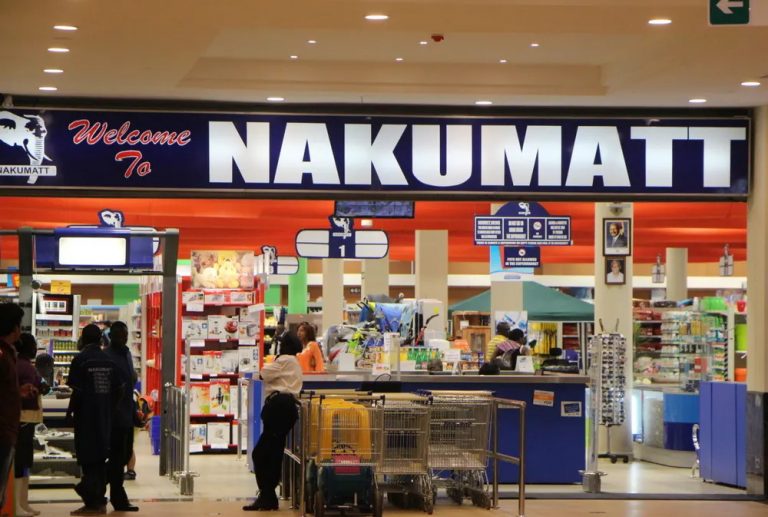
- Nakuru was the soil where the seed took root, the ground where the tree grew tall, and the place where it finally toppled. Through Nakumatt, Nakuru’s name and spirit travelled to far-flung cities such as Kigali, Kampala, and Dar es Salaam.
The story of Nakumatt dates back to the 1970s, to a unique family: the Shah family, from which the rise and fall of Nakumatt stem.
Far from being a business story, the Nakumatt story is a Nakuru story. A tale of ambition, identity, and the lessons etched into the name that once stood for everything modern retail in Kenya aspired to be.
In 1965, Mangalal Shah uprooted his young family from the tea slopes of Nandi Hills and planted them in Nakuru. His sons, Vimal and Atul, were still boys, but already sharp-eyed and restless. Across from the bustling open-air market, Mangalal staked his claim with a modest clothing shop.
Like many entrepreneurial ventures, Mangalal’s shop grew fast and full of promise—until the tide turned. By late 1976, debtors stalled, creditors pressed hard, and the numbers no longer added up. Cornered by mounting obligations, Mangalal was forced to declare bankruptcy, with debts totalling a staggering KSh1.2 million.
Mangalal later set out to work for his brother, who owned a shop called Nakuru Mattresses. Out of the ashes, Mangalal’s sons launched their own venture, a clothing store called Furmatts, where bed sheets and garments became the first threads of a new entrepreneurial chapter.
The storm had battered them, but soon the ground turned fertile. Riding the wave of East Africa’s 1970s coffee boom, the Shah family’s profits surged, and Mangalal clawed his way back, clearing the crushing KSh1.2 million debt that once threatened to bury them.
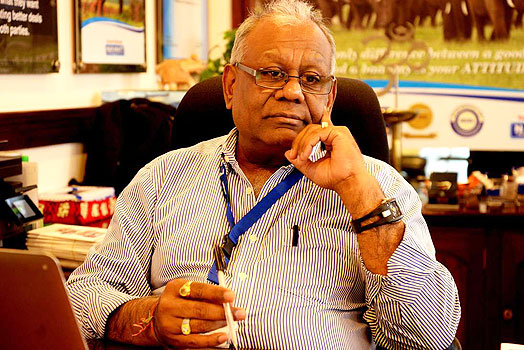
From this success, the Shah family managed to buy Nakuru Mattresses. Following the integration of operations for the two enterprises, they were formally merged into a single corporation: Nakumatt. Atul Shah took charge as Managing Director (MD) and Chief Executive Officer (CEO) until its collapse.
Year after year, the enterprise surged forward. By 1978, diversification brought new products to the shelves and fresh crowds through the doors. What began as a modest venture soon exceeded its limits, and Nakumatt became a household name not just in Kenya but across East Africa’s booming retail landscape.
This spontaneous extension was both a boon and a bane for the enterprise. The expansion gave the retail giant a name in Kenya, Rwanda, Uganda, and Tanzania—even setting eyes for Burundi and South Sudan.
By its peak around 2016, Nakumatt had 65 stores across the African Great Lakes region. It employed over 5,500 people and had gross annual revenue exceeding KSh45 billion.
Yet expansion carried a heavy price. The drive for growth demanded massive financing, much of it borrowed, and soon the cracks began to show. Cash flow tightened, obligations piled up, and Nakumatt found itself unable to meet the demands of landlords, suppliers, and even its own staff.
The story of Nakumatt came to nought in around 2019, when the retail chain sold the last six branches to Naivas Supermarkets. However, the mark this enterprise left on retail history still exists.
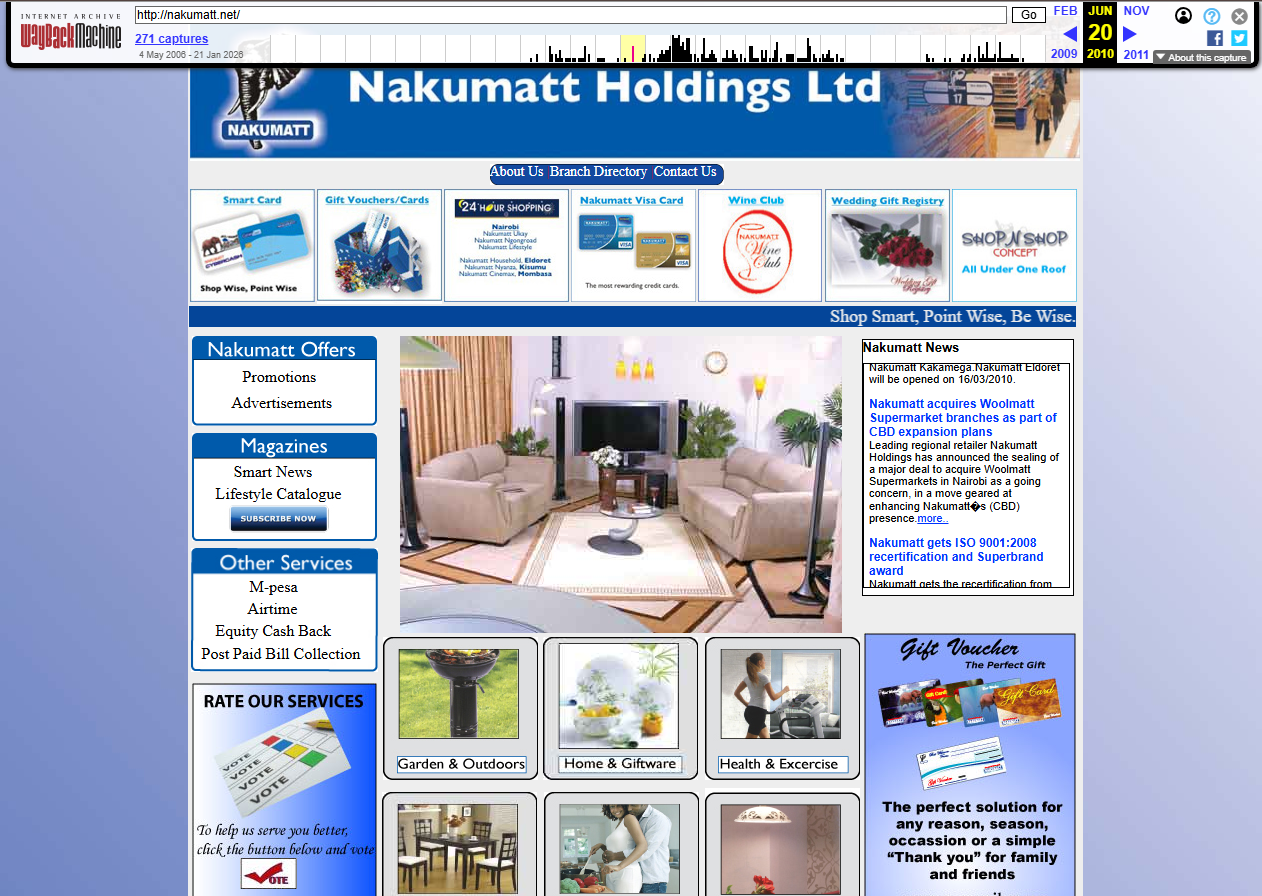
Nakuru was the soil where the seed took root, the ground where the tree grew tall, and the place where it finally toppled. Through Nakumatt, Nakuru’s name and spirit travelled to far-flung cities such as Kigali, Kampala, and Dar es Salaam.
What memories do you have of Nakumatt in its prime? Share your thoughts in the comments down below.
Stay connected with us on WhatsApp and Facebook for instant updates and breaking news as it happens.