
PCS Mudavadi noted that tourism earnings surged from KSh 264 billion in 2023 to KSh 452.2 billion in 2024, a 68.7% increase. International arrivals also hit a record 2.4 million visitors in 2024, with projections of 5.5 million visitors by 2027.
Tourism in Kenya and across Eastern Africa is entering a new era—one defined not by crisis response but by resilience, sustainability, and digital preparedness.
As climate risks, cybersecurity threats, and global economic uncertainty reshape the sector, Kenya and its regional partners are repositioning tourism resilience as a strategic development priority.
At the heart of this transformation is the Global Tourism Resilience and Crisis Management Centre (GTRCMC), headquartered at Kenyatta University.
Serving 14 Eastern African countries, the Centre progresses in 2026 with a renewed mandate: to strengthen destination security, sustainability, and digital innovation across the region.
A New Policy Pillar
Read More
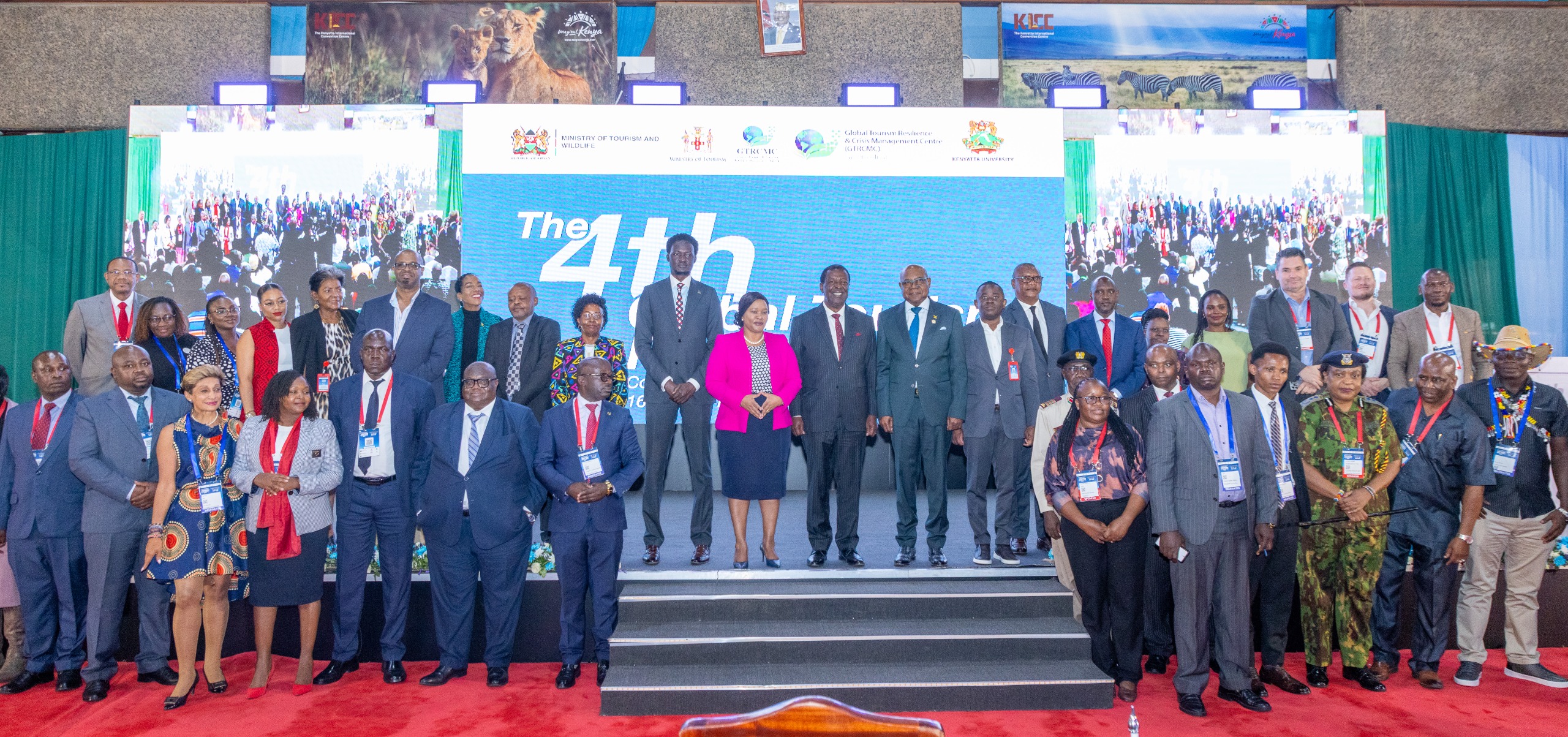
During the 4th Global Tourism Resilience Conference that spanned between February 16- 18, 2026, and held alongside Global Tourism Resilience Day, Cabinet Secretary for Tourism and Wildlife Rebecca Miano underscored Kenya’s deliberate shift.
“Tourism isn’t just about travel; it’s about the millions of jobs for our women and youth and the cultural exchanges that unite us,” she said.
Drawing lessons from the COVID‑19 pandemic, Miano emphasized that resilience is now embedded in Kenya’s tourism policy.
According to her, the country is investing in technology and artificial intelligence to improve destination management, crisis forecasting, and protection of tourism value chains.
Central to this effort is the integration of a specialized AI tool developed in Jamaica, designed to enhance competitiveness and preparedness.
“We are keen to integrate a specialized AI tool from Jamaica into the Kenyan tourism ecosystem to enhance our destination competitiveness,” she highlighted.
The conference’s closing ceremony was officiated by Prime Cabinet Secretary (PCS) and Cabinet Secretary (CS) for Foreign and Diaspora Affairs Musalia Mudavadi, who commended the sector’s remarkable rebound.
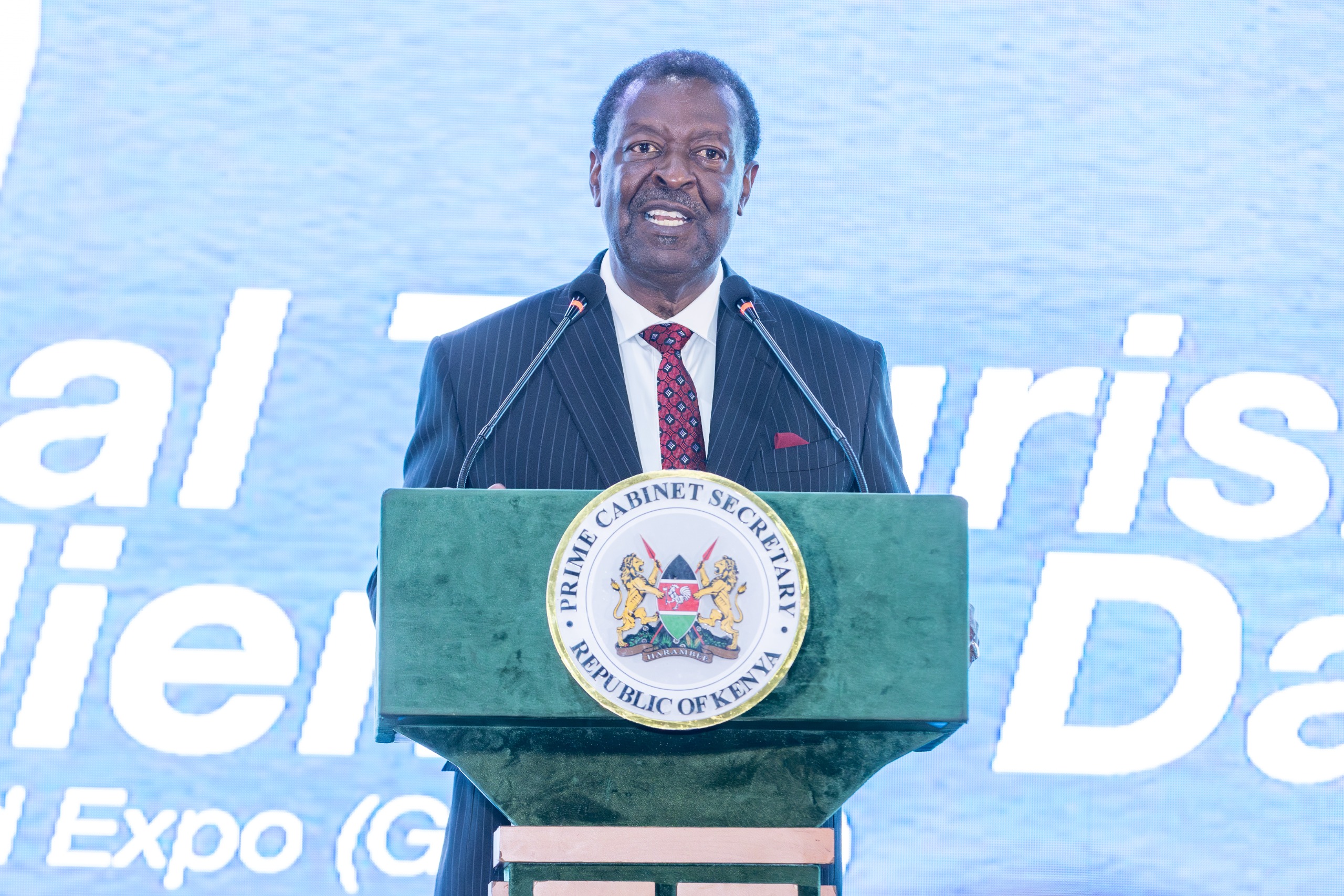
PCS Mudavadi noted that tourism earnings surged from KSh 264 billion in 2023 to KSh 452.2 billion in 2024, a 68.7% increase. International arrivals also hit a record 2.4 million visitors in 2024, with projections of 5.5 million visitors by 2027.
Mudavadi reaffirmed the government’s commitment to embedding resilience, digital transformation, and sustainability in tourism development.
“Tourism continues to power Kenya’s inclusive growth—creating jobs, empowering youth and women, preserving culture, protecting wildlife and environment, while connecting the nation to the world,” he said.
The Nairobi conference brought together over 1,000 delegates, including tourism ministers from the Caribbean, Europe, Asia, and Africa.
Senior leaders such as Edmund Bartlett joined ministers from Angola, South Sudan, and the Democratic Republic of the Congo to deliberate on regional cooperation, data exchange, and technology.
Discussions focused on countering misinformation, cyber threats, and vulnerabilities affecting reservations, payments, airports, and health infrastructure.
Established through a bilateral agreement between Kenya and Jamaica, GTRCMC has grown into a globally recognized institution.
It has received accolades including the Global Tourism Resilience Award in London (2024) and the Most Supportive Brand Award at the Africa Tourism Awards (2025).
Beyond recognition, the Centre has delivered tangible community impact through initiatives such as the 3IS Project in Garissa and Turkana, which strengthen local resilience and livelihoods.
Nairobi: Diplomatic Capital of Africa
Beyond the boardroom, delegates experienced Nairobi as a city at the forefront of digital transformation and green energy. The capital’s ability to host such a diverse gathering reinforced its reputation as the Diplomatic Capital of Africa.
The celebratory evening that closed the two‑day forum was more than symbolic—it marked a collective commitment to a roadmap for a more sustainable global industry.
Together, Kenya and its partners are paving the way for a tourism sector that is robust, visionary, and inclusive—one that protects communities, empowers youth and women, and positions Eastern Africa as a global leader in resilience.
Stay connected with us on WhatsApp and Facebook for instant updates and breaking news as it happens.