Interpol defines digital piracy as the illegal distribution and copying of copyrighted materials online.
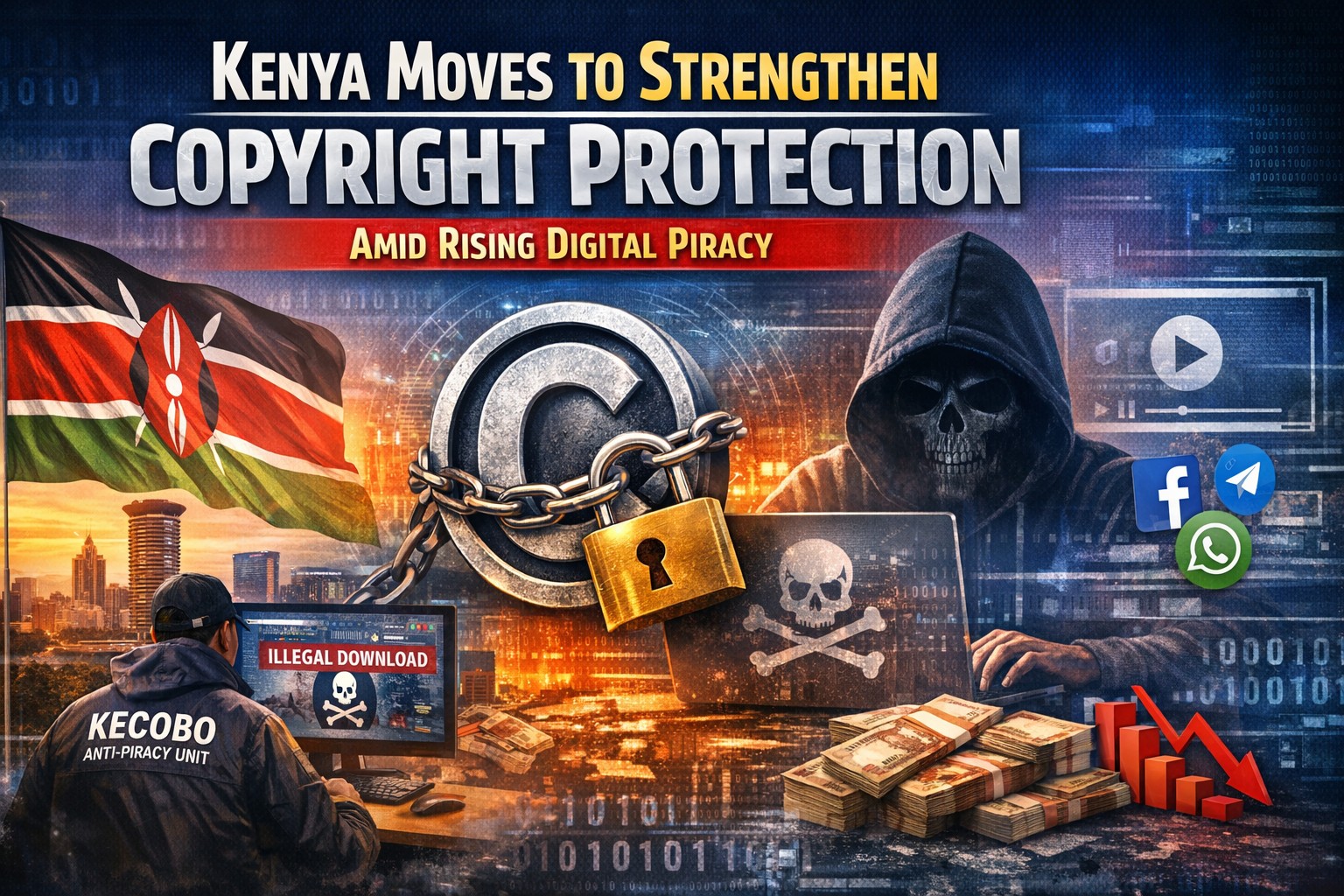
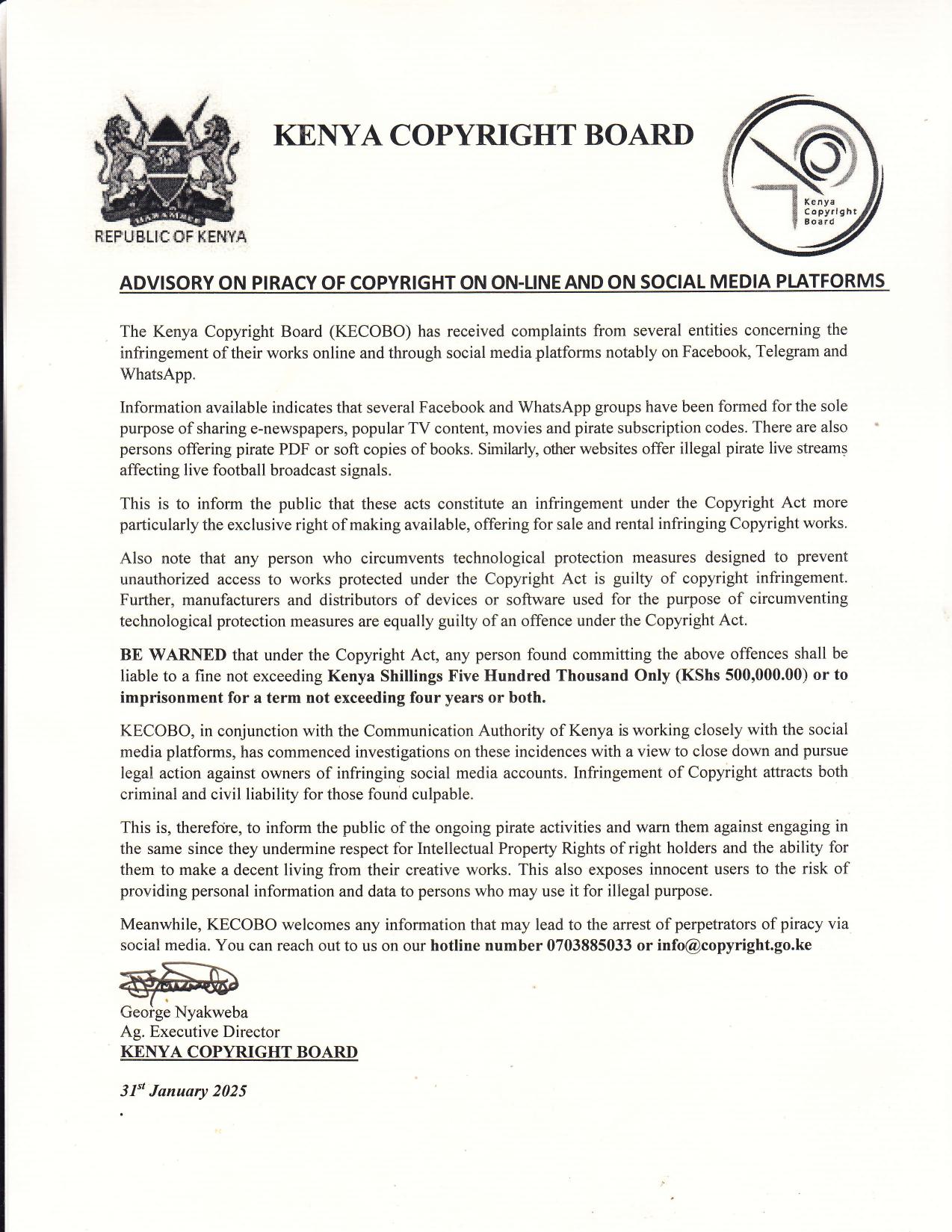
The Kenya Copyright Board (KECOBO) announced on January 31, 2025, that it had received multiple complaints from entities over infringement of their works online, particularly on Facebook, Telegram, and WhatsApp. The statement highlighted the growing scale of piracy threatening Kenya’s creative economy.
“This is to inform the public that these acts constitute an infringement under the Copyright Act more particularly the exclusive right of making available, offering for sale and rental infringing Copyright works,” said the Kenya Copyright Board (KECOBO then.
Heavy Losses from Piracy
Read More
Interpol defines digital piracy as the illegal distribution and copying of copyrighted materials online.
For Kenya, the impact is severe. A February 11, 2026 release by the Ministry of Information, Communication and the Digital Economy revealed that the country loses more than Ksh 17 billion in tax revenue annually through illegal streaming and IPTV systems, while creators themselves lose over Ksh 92 billion.
Forum Against Piracy
With respect to this, on March 12, 2026, Cabinet Secretary (CS) William Kabogo officially opened the National Multi-Stakeholder Forum on Digital Piracy. The forum brought together national and county governments, industry players, and humanitarian partners to discuss piracy’s impact and chart solutions.
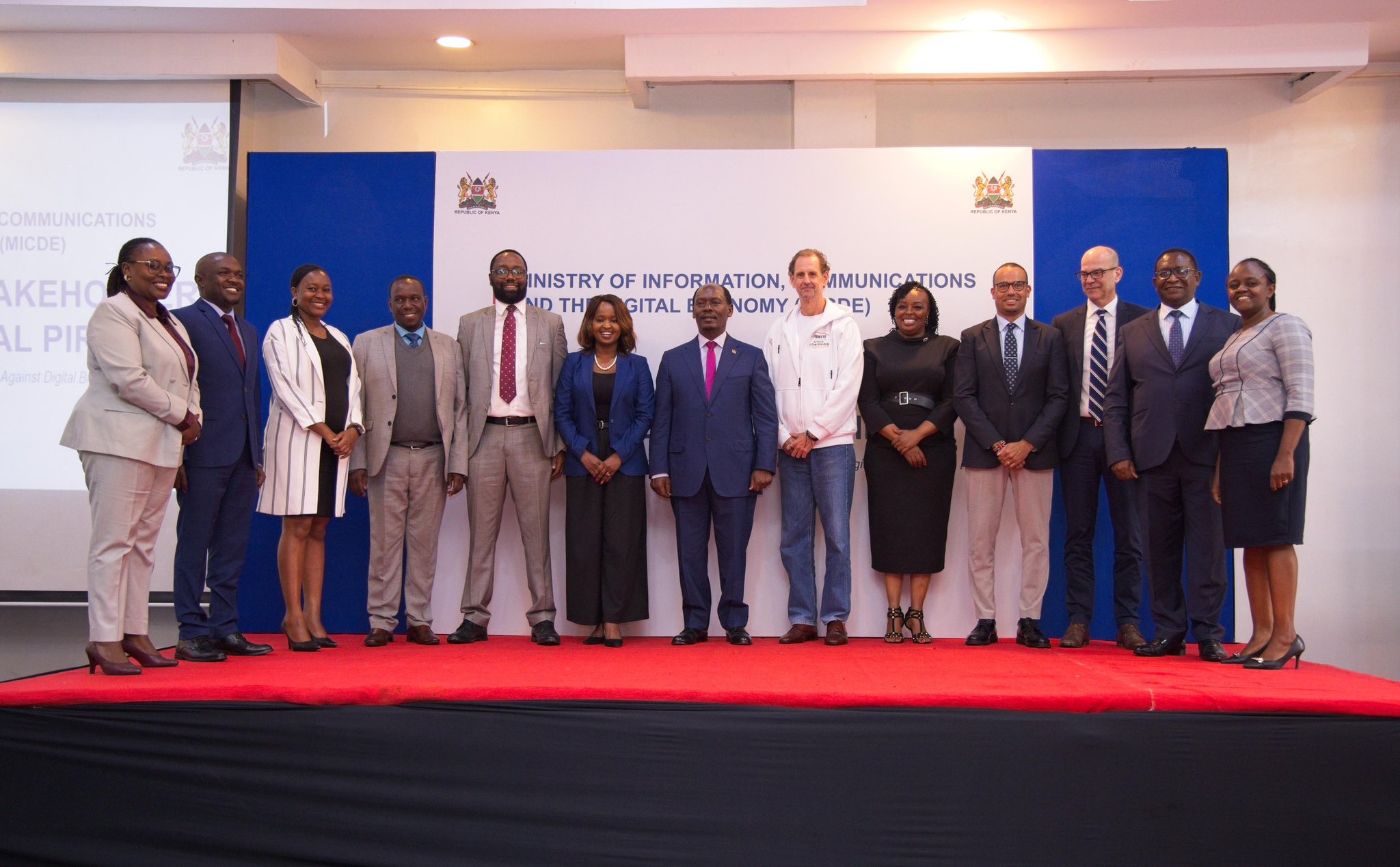
“Such forums provide a valuable platform to discuss practical solutions for strengthening the protection of creative works in the digital environment, informing future strategies aimed at protecting creators, attracting investment, and supporting the growth of Kenya’s creative and digital economy,” Kabogo said in a post on his official X account.
Legal Backbone
The Kenya Copyright Act, 2001 remains the cornerstone of protection for creators. It grants authors, musicians, filmmakers, and artists legal authority over the use, reproduction, and distribution of their works.
A recent amendment to Section 23 extended protection for literary, musical, and artistic works to the lifetime of the author plus 50 years. Audio-visual works, recordings, photography, and broadcasts are protected for 50 years before entering the public domain.
The Kenya Copyright Board Mandate
Established under the Act, the Kenya Copyright Board enforces copyright law, regulates collective management organizations, educates creators about their rights, and maintains a national database of authors and works. Its role has become increasingly critical as piracy shifts from physical copies to digital platforms.
As Kenya advances deeper into the digital era, creators are being empowered to produce and own their work without fear of piracy. With stronger protections in place, the outlook for the country’s creative economy and for the artists, musicians, and filmmakers driving it remains bright.
Stay connected with us on WhatsApp and Facebook for instant updates and breaking news as it happens.