
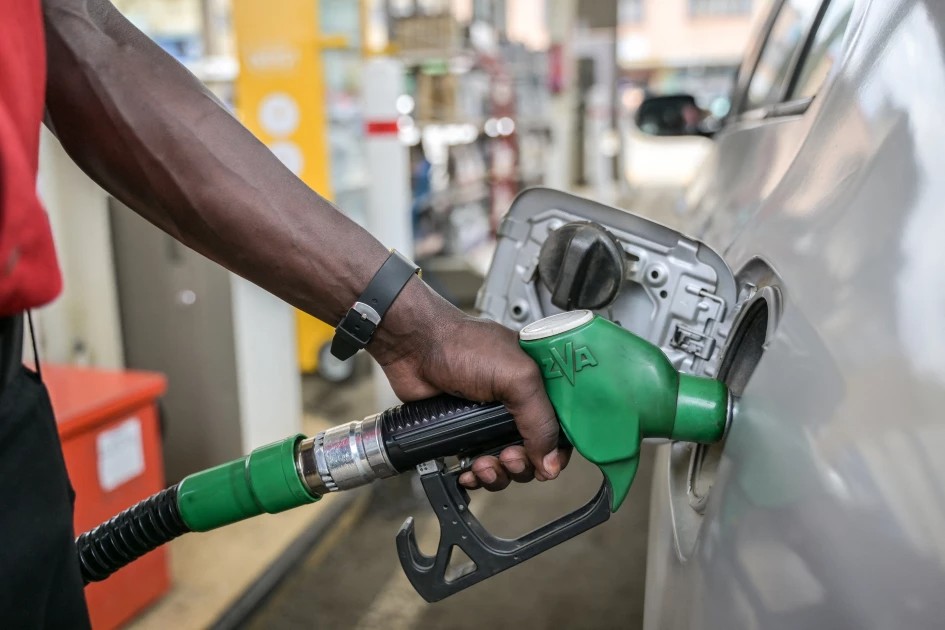
- For the February 15–March 14 cycle, EPRA reduced fuel prices by KSh 4.24 for Super Petrol, KSh 3.93 for Diesel, and KSh 1.00 for Kerosene. But with global oil markets rattled by instability in Iran, fears of reversal are mounting.
As Kenyans brace for the Energy and Petroleum Regulatory Authority’s (EPRA) March 14 fuel price review, the debate has shifted from cents at the pump to questions of transparency, taxation, and whether regulators are shielding citizens or passing global shocks straight to households.
For the February 15–March 14 cycle, EPRA reduced fuel prices by KSh 4.24 for Super Petrol, KSh 3.93 for Diesel, and KSh 1.00 for Kerosene. But with global oil markets rattled by instability in Iran, fears of reversal are mounting.
Kiharu Member of Parliament (MP) Ndindi Nyoro has stepped into the spotlight, warning EPRA against premature hikes.
Speaking on March 9, 2026, he insisted that pump prices must reflect the actual cost of fuel already imported, not speculative forecasts.
“The price that Kenyans pay at the pump should be guided by the real cost of fuel already in the country,” he said. “It would be unfair to raise prices based on assumptions about future global market trends while cheaper fuel stocks are still available.”
Read More
Nyoro’s critique cuts deeper into taxation. He points to the 16 percent VAT on petroleum products and other levies as structural burdens inflating costs.
“A time has come for the government to remove the VAT and levy on fuel because you cannot transfer the rising prices of fuel entirely to consumers,” he argued. He reminded Kenyans that when global oil prices fell, reductions at the pump were minimal—“two bob, one bob” because tax hikes offset the relief.
His remarks resonate at a time when households are already struggling with inflation. Fuel costs ripple through the economy, raising transport fares, food distribution costs, and commodity prices. Nyoro insists that transparency in EPRA’s pricing formula is critical to protect consumers from unnecessary strain.
Meanwhile, Energy and Petroleum Cabinet Secretary (CS) Opiyo Wandayi has sought to calm nerves, assuring Kenyans that the country holds sufficient petroleum stocks through April 2026. Imports secured under the Government‑to‑Government deal with Saudi Aramco, ADNOC, and ENOC guarantee continuity of supply.
Yet the global context is volatile. Nearly all of Kenya’s oil imports transit the Strait of Hormuz, where tensions involving Iran have escalated into missile strikes, drone attacks, and threats to shipping routes.
Brent crude has surged past $80 per barrel, and freight and insurance costs for supertankers are climbing. Analysts warn that while Kenya’s physical supply remains stable, the financial pressure could soon filter into local pump prices.
Stay connected with us on WhatsApp and Facebook for instant updates and breaking news as it happens