- The Community Land Act of 2016 was supposed to be the liberator, but its implementation has been agonisingly slow. Bureaucratic hurdles and a lack of political will have left many communities holding onto hope rather than title deeds. Without a home to call their own, these communities are unable to use their land as collateral or protect it from land cartels.
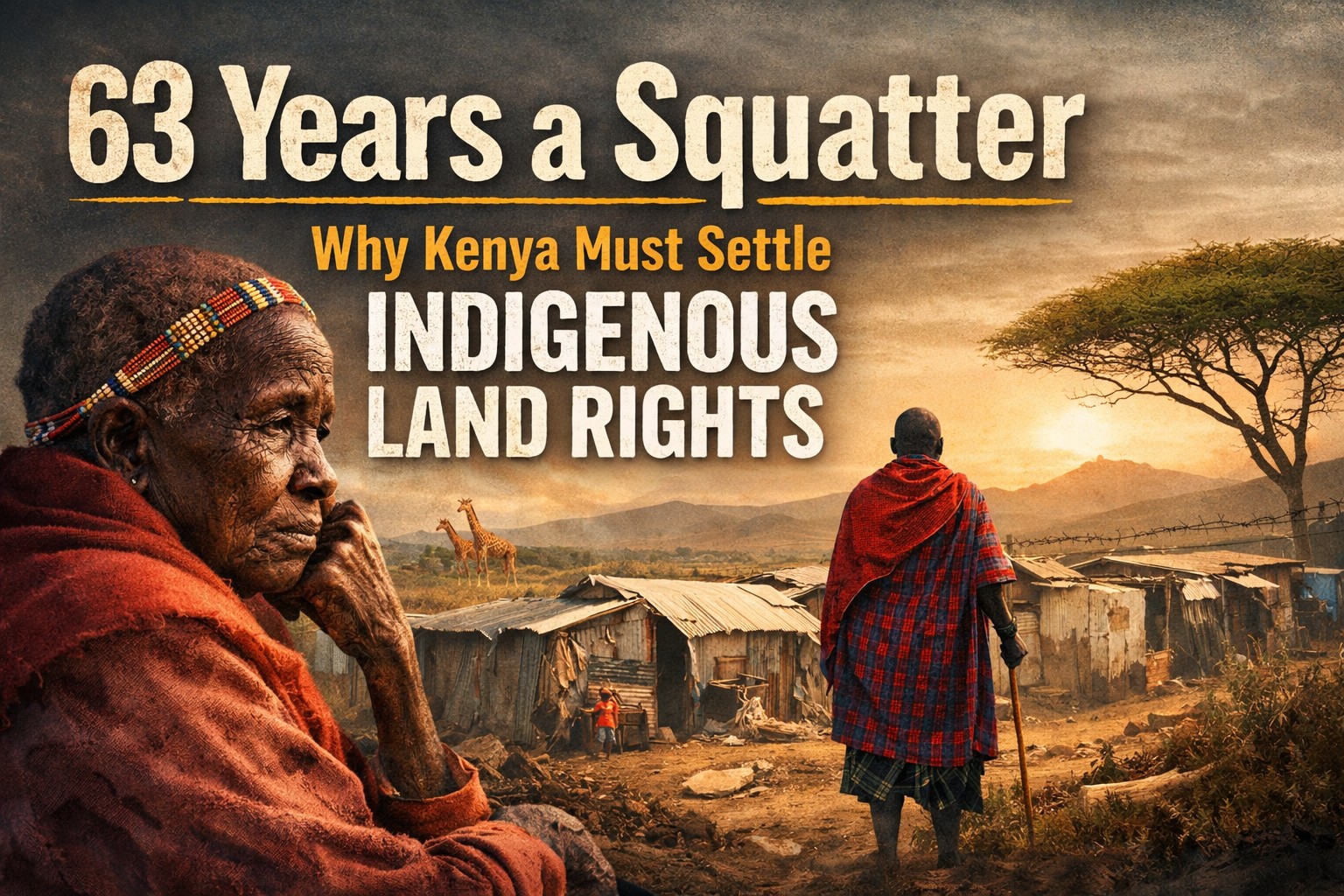
For over six decades now, the story of independence in Kenya has been told as a victory of self-governance and freedom. Yet, for millions of Kenyans belonging to indigenous and minority communities like the Ogiek, Sengwer, Endorois, and many others, this freedom has remained a hollow promise.
It is an irony that sixty-three years after the British flag was lowered, thousands of citizens are still treated as squatters on the very ancestral lands their ancestors defended.
This is a moral emergency for the government to settle these land rights once and for all.
One such case that demonstrates the struggle for land rights among the indigenous and minority communities is the ongoing saga of the Ogiek community in the Mau Forest. Despite winning a landmark case at the African Court on Human and Peoples’ Rights in 2017 and a subsequent reparations judgment in 2022, the community still faces frequent evictions.
In December 2025, the African Court had to issue a non-compliance ruling, ordering the Kenyan government to immediately pay reparations and issue collective title deeds.
Read More
The African Court has made it clear that conservation cannot be used as a convenient excuse to dispossess indigenous people who have acted as the forest’s natural stewards for centuries. But when a sovereign state ignores the orders of a continental court it helped establish, it sends a dangerous message that the rights of the minority are optional.
The tragedy of the homeless Kenyans is not confined to Mau, Mt Elgon or even Embobut forests. Many other marginalised coastal ‘squatters’ are living on land owned by absentee landlords, while other pastoralist communities have had their communal grazing lands carved up for private interests because of a lack of secure tenure.
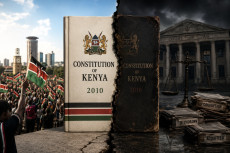
The Community Land Act of 2016 was supposed to be the liberator, but its implementation has been agonisingly slow. Bureaucratic hurdles and a lack of political will have left many communities holding onto hope rather than title deeds. Without a home to call their own, these communities are unable to use their land as collateral or protect it from land cartels.
There is an urgent need to correct these historical injustices. Recognition of indigenous land rights is not an act of charity but a legal obligation under Kenya’s Constitution and international law. It is high time the government stops forming task forces and starts issuing titles. After sixty-three years of waiting, no Kenyan should have to go to an international court to prove they belong in their own home.
Stay connected with us on WhatsApp and Facebook for instant updates and breaking news as it happens