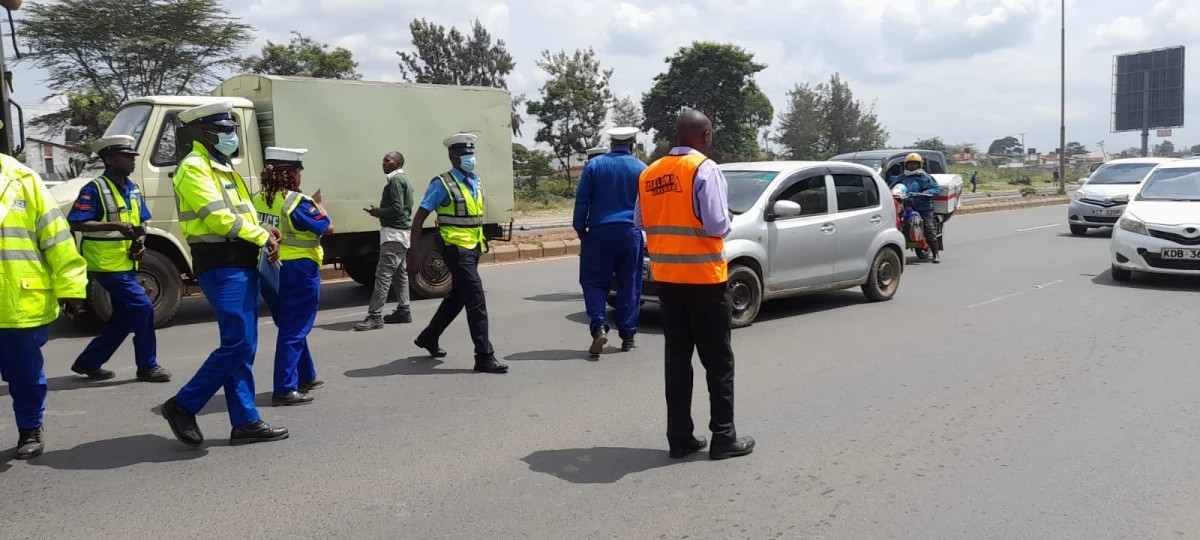
- In an interview on March 10, 2026, the Director General Nashon Kondiwa defended the system, saying it protects both motorists and enforcement officers. “This will ultimately bring behavioural change,” he said. “Our goal is not to punish but to protect. We want to change the mindset of Kenyan road users.”
Kenyans online are questioning the fairness of the National Transport and Safety Authority’s (NTSA) newly launched Instant Traffic Fines Management System.
“Who determines how much to pay?” asked one user. “What if you disagree with the ruling?” Another worried that miraa transporters would be fined “millions before they reach their destination.”
Yet others have cautiously welcomed the move, saying it could help regulate overspeeding and reduce accidents.
“That’s how to regulate the accidents. Later many will appreciate the initiative,” another user added.
But less than 24 hours after the system went live, Kennedy Maingi Mutwiri, a Nairobi motorist, took the matter to court.
Read More
On March 10, 2026, he filed a petition at the High Court challenging the constitutionality of the automated fines system. His argument was that the system punishes drivers without giving them a chance to be heard, violating their right to a fair trial. By automatically issuing penalties for traffic offenses, the NTSA is allegedly assuming judicial powers it does not have.
Mutwiri’s petition demanded an immediate suspension of the system until the case is heard and determined. However, the High Court declined to halt the rollout. Instead, it directed that the NTSA and the Attorney General be served, with a mention scheduled for April 9, 2026.
The NTSA, meanwhile, is standing firm. In an interview on March 10, 2026, the Director General Nashon Kondiwa defended the system, saying it protects both motorists and enforcement officers. “This will ultimately bring behavioural change,” he said. “Our goal is not to punish but to protect. We want to change the mindset of Kenyan road users.”
The Instant Traffic Fines Management System uses roadside cameras to detect offenses such as speeding. It was activated following a directive from President William Ruto aimed at enhancing road safety and curbing corruption. But critics argue that without a clear appeals process or judicial oversight, the system risks undermining constitutional safeguards.
Stay connected with us on WhatsApp and Facebook for instant updates and breaking news as it happens