- The NIF, signed into law on March 9, 2026, represents a historic shift in Kenya’s development strategy. Instead of relying heavily on debt, the fund aims to mobilize KSh 5 trillion over ten years to finance priority projects.
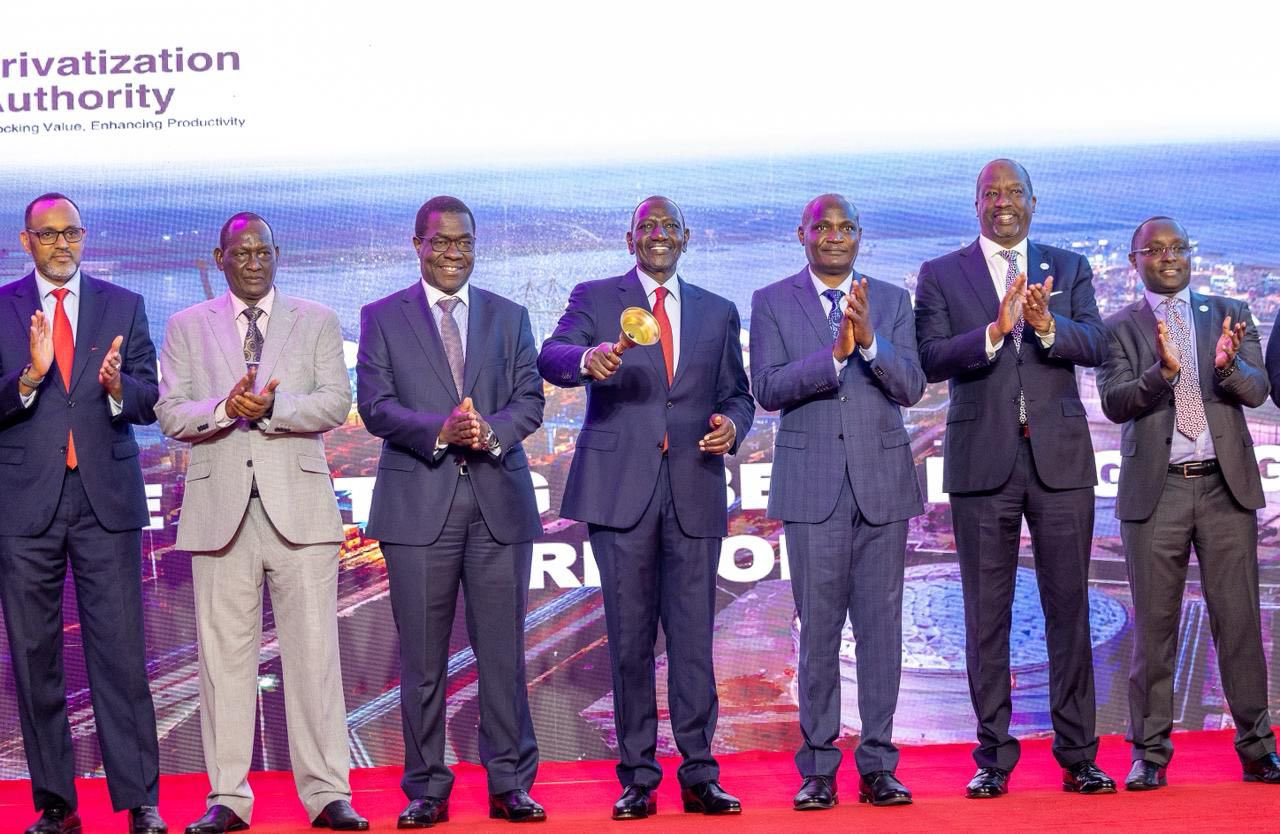
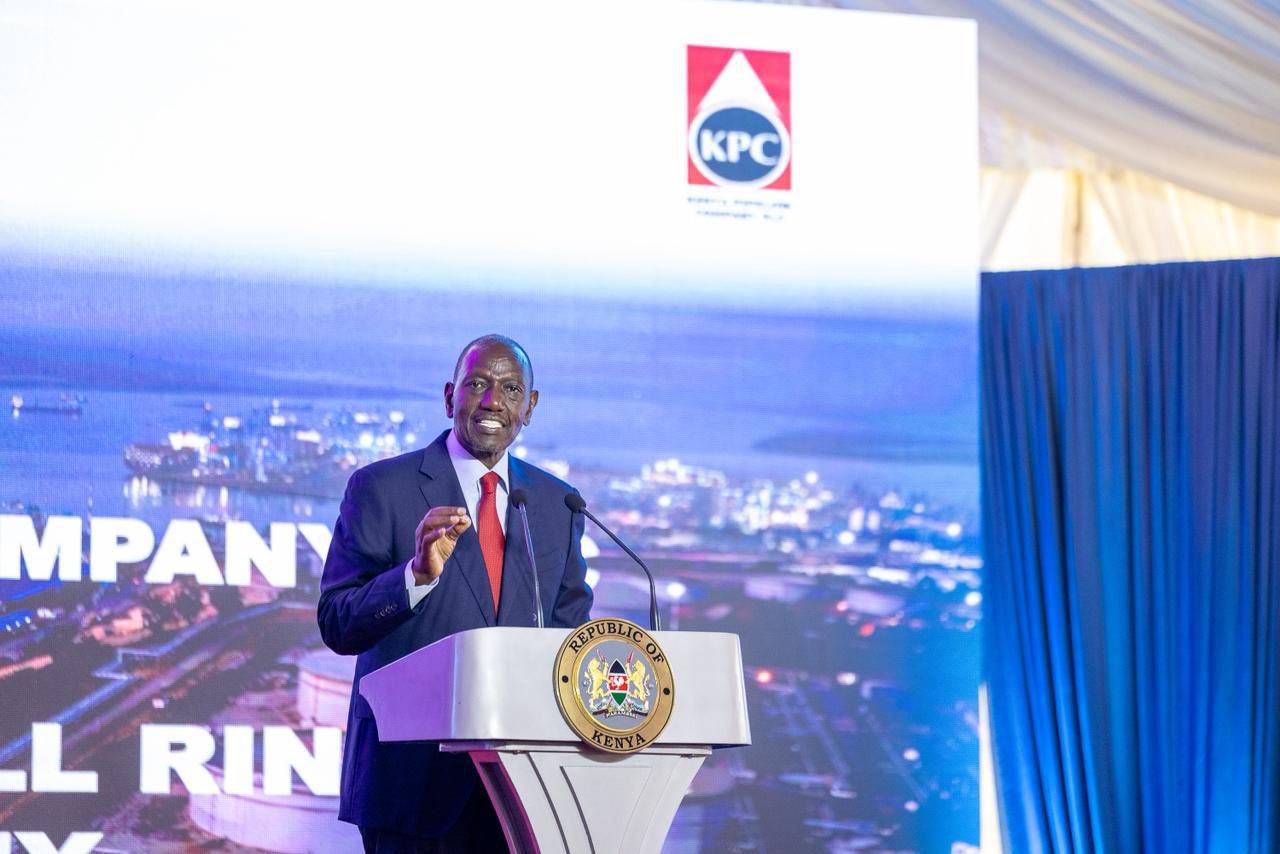
On March 10, 2026, President William Ruto rang the ceremonial bell at the Nairobi Securities Exchange (NSE), marking the debut of the Kenya Pipeline Company (KPC) as a publicly traded entity.
The Initial Public Offering (IPO) was oversubscribed by 105.7 percent, raising KSh 106.3 billion in seed capital for the newly established National Infrastructure Fund (NIF).
Ruto hailed the privatization as a breakthrough, noting that the IPO unlocked far greater value than the KSh 5 billion in annual dividends previously generated by KPC.
Read More
“Through the National Infrastructure Fund, we will leverage this capital to crowd in private investment and raise KSh 1.2 trillion for transformative projects,” he said.
A New Financing Model
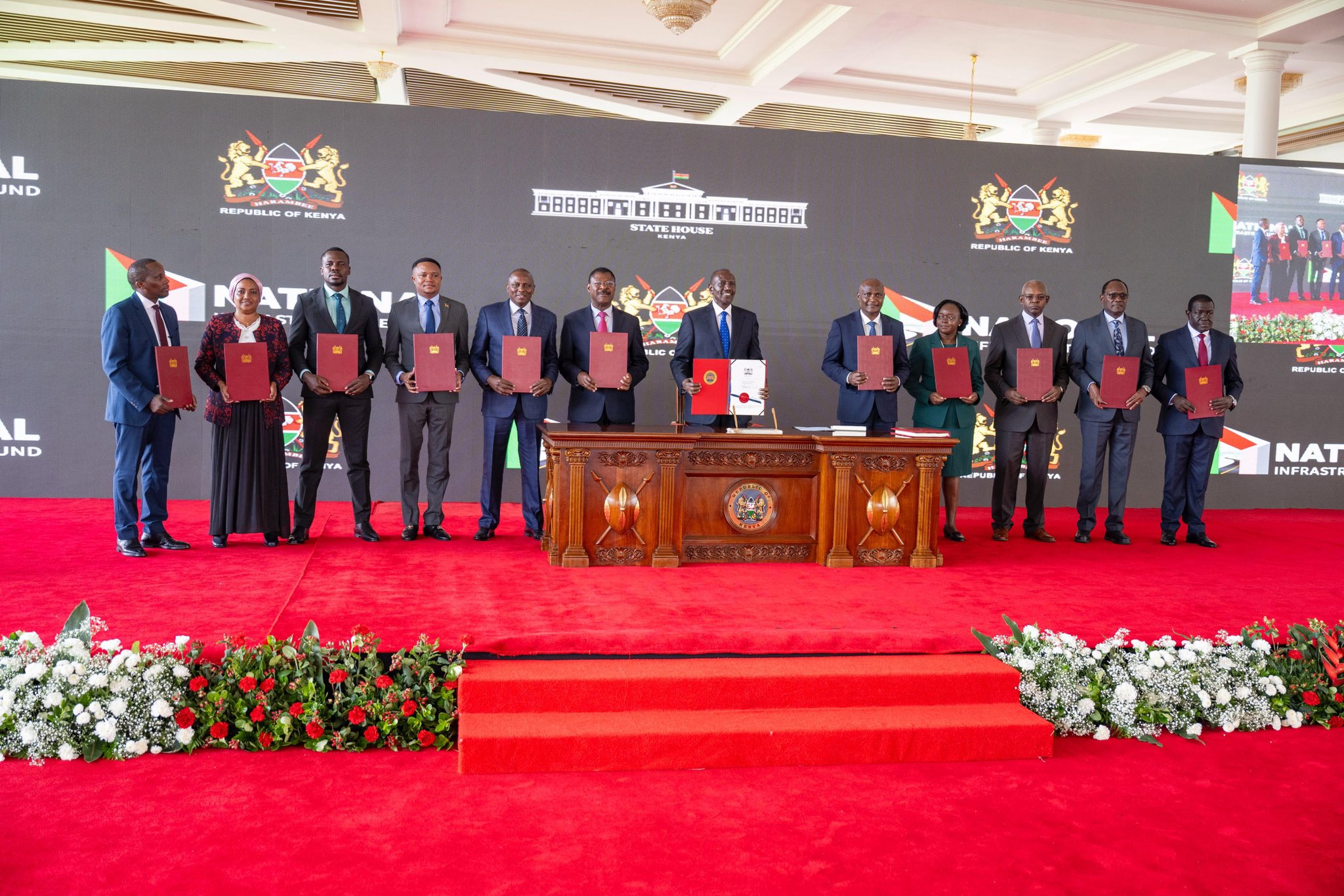
The NIF, signed into law on March 9, 2026, represents a historic shift in Kenya’s development strategy. Instead of relying heavily on debt, the fund aims to mobilize KSh 5 trillion over ten years to finance priority projects. These include:
• Expansion of Jomo Kenyatta International Airport (JKIA)
• Construction of 50 mega dams and hundreds of micro dams
• Development of 10,000 km of new tarmac roads and 2,500 km of dual carriageways
• Extension of the Standard Gauge Railway from Naivasha to Malaba and Kisumu
• Production of 10,000 megawatts of clean energy
The fund will operate as a corporate entity with a board of independent experts to ensure transparency and investor confidence.
Strengthening the Judiciary
Alongside the NIF, Ruto also signed the Judges Retirement Benefits Act 2025, a law designed to reinforce judicial independence. The Act establishes a contributory pension scheme, with judges contributing 7.5 percent of their basic salary and the government adding 15 percent.
Retired judges will enjoy enhanced benefits, including medical cover, diplomatic passports, and access to VIP airport lounges. Pensions will also be adjusted annually for inflation, up to 5 percent.
Ruto emphasized that the law recognizes the demanding nature of judicial service and safeguards the dignity of retired judges. “This strengthens the Judiciary and reinforces its independence by guaranteeing retirement benefits and security of tenure,” he said.
A Defining Moment
By coupling the IPO with the enactment of the NIF and judicial reforms, Ruto framed the week’s developments as a turning point in Kenya’s economic and governance trajectory. “The fund marks a new chapter in financing our transformation, making us the architects of our own future,” he declared at State House.
With the IPO now live and the NIF law in place, Kenya has set out to ease pressure on the national budget, reduce taxes, and cut sovereign debt—while simultaneously bolstering the independence of its judiciary.
Stay connected with us on WhatsApp and Facebook for instant updates and breaking news as it happens