Nakuru became the first Kenyan city and one of only two in Eastern Africa to join the UNESCO Creative Cities Network. The recognition celebrated Nakuru’s ability to use creativity not just for beauty, but for social change and cultural identity.
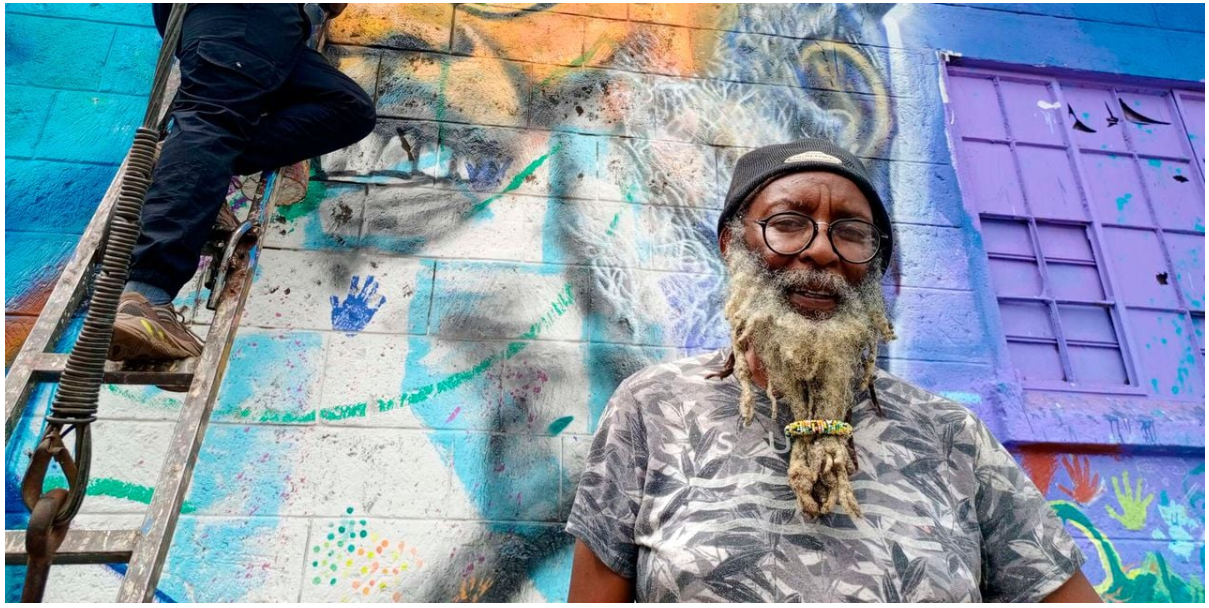
Once known mainly as a commercial hub in the Rift Valley, Nakuru has reinvented itself as a canvas of colour. Its streets now pulse with murals that tell stories of identity, caution, heritage, and pride. What began as scattered graffiti has grown into a vibrant arts movement—backed by civic leaders, global networks, and grassroots creatives.
One of the most enduring messages is “Flossin Mauwano.” Kenyan artist Stephen Mule began painting the phrase after losing his parents in a road accident in 1997. He placed it near accident prone areas to remind motorists and pedestrians to stay alert. Over time, the cautionary message spread far beyond Nakuru, becoming part of the city’s collective memory.
Nakuru’s artistic journey reached a milestone in November 2021 when the United Nations Educational, Scientific and Cultural Organization (UNESCO) named it a Creative City in Crafts and Folk Art.
It became the first Kenyan city and one of only two in Eastern Africa to join the UNESCO Creative Cities Network. The recognition celebrated Nakuru’s ability to use creativity not just for beauty, but for social change and cultural identity.
Murals across the city showcase this transformation:
Read More
• CBD Entrance (Gate Iguru): A mural depicts Nakuru’s evolution, featuring Barbushe Maina, the city’s “founding father of art,” and Liz from Nakuru Players Theatre.
• Stone Plaza (Kenyatta Avenue): A striking green mural honors Nobel Laureate Wangari Maathai and her environmental legacy.
• Moi Road (Posta to KCB Bank): Flamingos in flight, alongside tribal art, encourage pedestrians to use safer walkways.
• Gate Iguru Wall: A mural of spoken word artist Willie Oeba celebrates his decade of social justice work.
• Nakuru Railway Station: A historic mural depicts early trains crossing the Rift Valley terrain, linking past to present.
The city’s creative energy continues to attract new initiatives. In January 2026, City Manager Gitau Thabanja met with organisers of the upcoming Nakuru Rising Stars talent search, led by media personality Willy Tuva.
The program aims to nurture emerging talent in music, spoken word, dance, and other creative expressions. Organisers cited Nakuru’s rich pool of youth talent and supportive cultural ecosystem as reasons for choosing the city.
Scheduled to roll out before April 2026, the initiative underscores Nakuru’s growing role as a hub for innovation and opportunity in Kenya’s creative economy.
Public art initiatives have also expanded through events like the Nakuru City Festival, where artists and residents paint murals together in spaces such as Nyayo Gardens. These collaborations transform the city into an open air gallery, reinforcing culture as a shared experience and pride as a collective achievement.
Nakuru’s murals are more than decoration. They are living history books, cautionary tales, and celebrations of heritage. They define the city’s identity and remind Kenya and the world that culture thrives when communities claim their walls, their voices, and their pride.
Stay connected with us on WhatsApp and Facebook for instant updates and breaking news as it happens.