
- Cervical cancer, one of the leading causes of death among women, stems from the Human Papillomavirus (HPV). While the virus clears naturally in some individuals, it persists in many others and spreads through sexual activity.
The world commemorated this year’s World Cancer Day under the theme United by Unique. The theme shifts focus to the person, not the disease, urging us to embrace the beauty of our differences.
The World Health Organization (WHO) has drawn attention to preventable factors that cause cancer.
In Kenya, these factors carry profound significance for the health sector:
Say No to Tobacco
Tobacco remains the leading cause of lung, esophageal, bladder, and several other cancers. Its chemicals damage DNA and weaken the body’s ability to repair cell growth errors, producing cancerous cells.
Read More
The good news: cancer caused by tobacco is preventable. Quitting at any age reduces risk.
Cervical Cancer and HPV
Cervical cancer, one of the leading causes of death among women, stems from the Human Papillomavirus (HPV). While the virus clears naturally in some individuals, it persists in many others and spreads through sexual activity.
Prevention is possible. Vaccination offers the strongest protection, and Kenya has invested heavily in vaccinating girls aged 9–14. Screening provides another safeguard, enabling early intervention when risks are detected.
Alcohol and Cancer
Awareness of alcohol’s cancer risks remains low compared to its link with liver disease.
Fewer realize it also causes cancers of the mouth, throat, and esophagus.
Government efforts against illicit brewing have been notable, but licensed establishments continue to sell alcohol that silently harms citizens.
Awareness of alcohol’s cancer risks remains low, and prevention requires stronger public education.
Lifestyle and Environmental Risks
Unhealthy diets and physical inactivity contribute to cancer risk. Regular exercise and balanced nutrition counter these dangers.
Outdoor workers face another threat: ultraviolet radiation from the sun. Protective clothing and sunscreen remain essential safeguards.
Kenya’s Commemoration
Counties and institutions across Kenya marked World Cancer Day on February 4, 2026 with events that celebrated survivors and honored those lost. The day reminds us that prevention and awareness are as vital as treatment.
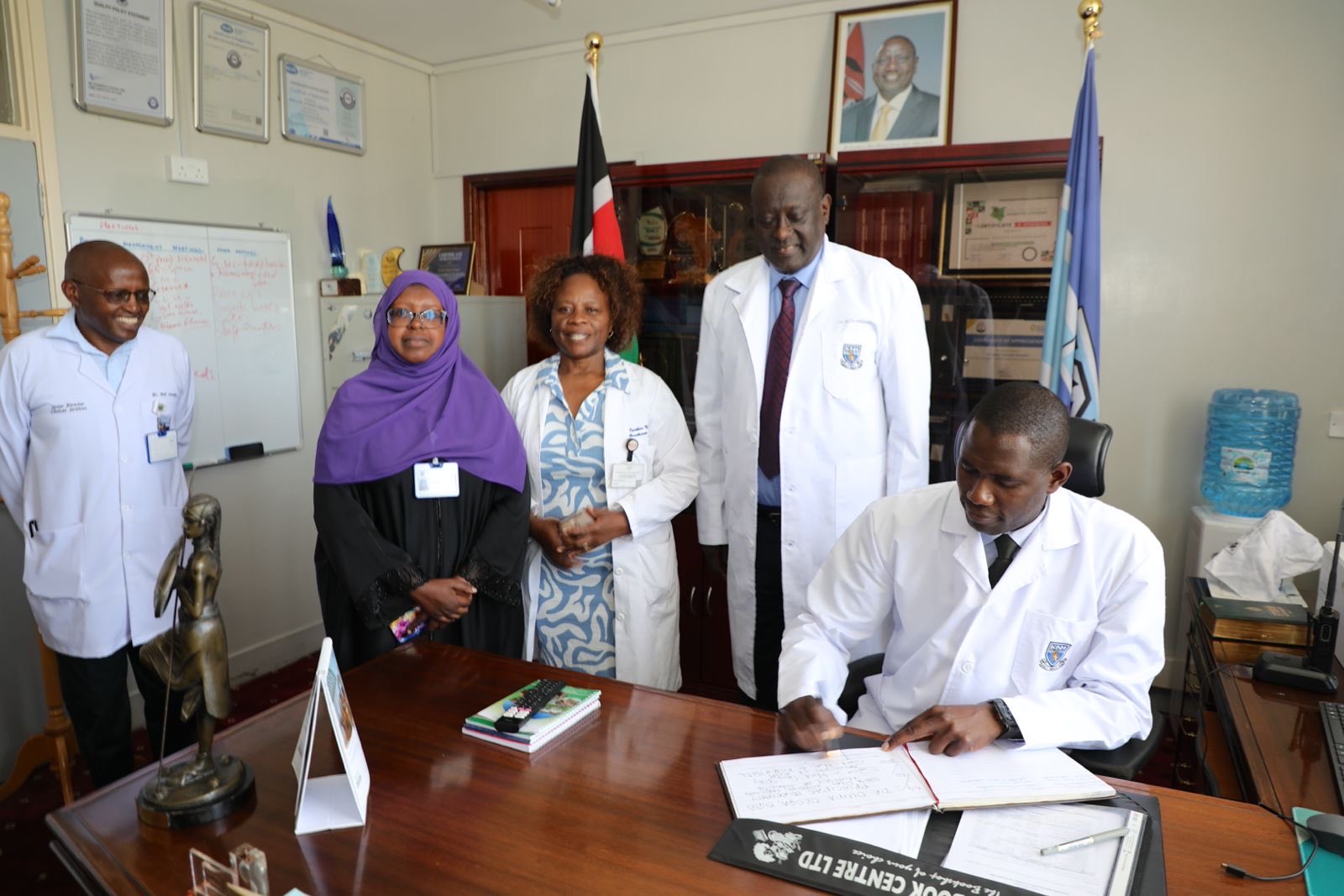
At Kenyatta National Hospital, Dr. Ouma Oluga, Principal Secretary for Medical Services, reaffirmed the government’s commitment to strengthening cancer care.
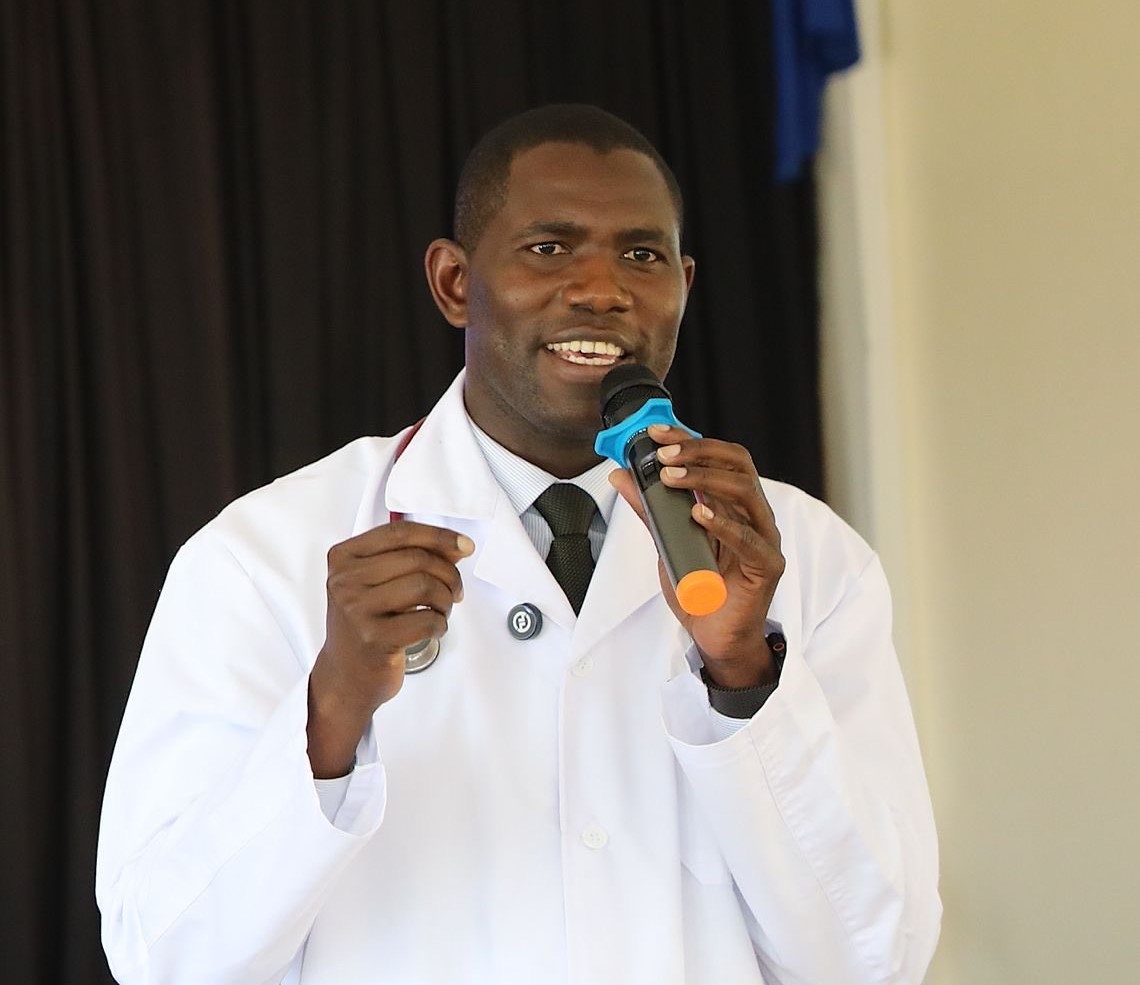
Speaking during the 2nd Artificial Intelligence in Health Workshop, he emphasized a people-centered approach built on innovation, research, training, and stronger clinical pathways.
“We have been given a duty to do only two things: to make the experiences of our patients better and to improve outcomes,” he said.
Dr. Oluga noted that cancer remains a global health challenge and warned that Kenya faces a rising burden due to longer life expectancy and the shift from communicable to non-communicable diseases.
He expressed concern over late diagnosis, with many patients waiting up to five months for confirmation. Symptoms often mimic other illnesses, leading to missed opportunities for early detection.
“From every single dispensary, any health professional engaging with a patient must maintain a high index of suspicion,” he urged. “You cannot have a high index of suspicion without empathy.”
According to the Ministry of Health, progress has been made. Under the government’s medical equipment program, 84 public hospitals now have mammography machines for breast cancer screening. Yet Dr. Oluga stressed the need for effective referral and follow-up systems to ensure optimal use.
On cervical cancer, he warned that many women still seek treatment at advanced stages, driving up costs and straining referral facilities.
He called for stronger national efforts in prevention, early detection, and timely treatment, saying improved service delivery across all levels of the health system is key to reducing Kenya’s cancer burden.
Nax.Today celebrates the beauty and strength each warrior carries.
Stay connected with us on WhatsApp and TikTok for instant updates and breaking news as it happens.