- Nakuru chose the flamingo because Lake Nakuru is world‑famous for hosting millions of them, turning the bird into a living emblem of natural heritage, tourism appeal, and global identity.
When the lake blushes pink, Nakuru’s identity comes alive. For generations, the sight of flamingos carpeting Lake Nakuru has been more than a tourist spectacle—it has become the county’s heartbeat, a symbol stitched into its civic pride and global reputation.
But how did a bird that once simply fed on algae in the Rift Valley’s alkaline waters rise to become Nakuru’s official icon, appearing on county insignia, billboards, and branding?
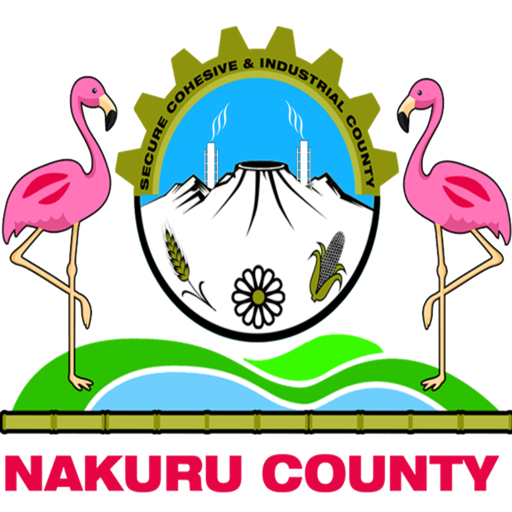
Nakuru chose the flamingo because Lake Nakuru is world‑famous for hosting millions of them, turning the bird into a living emblem of natural heritage, tourism appeal, and global identity.
Read More
Over time, the flamingo moved from being a breathtaking spectacle to a civic symbol, woven into the county’s branding and public imagery.
After devolution in 2013, Nakuru adopted the flamingo as its official icon, reflecting its global reputation.
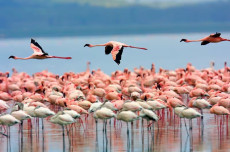
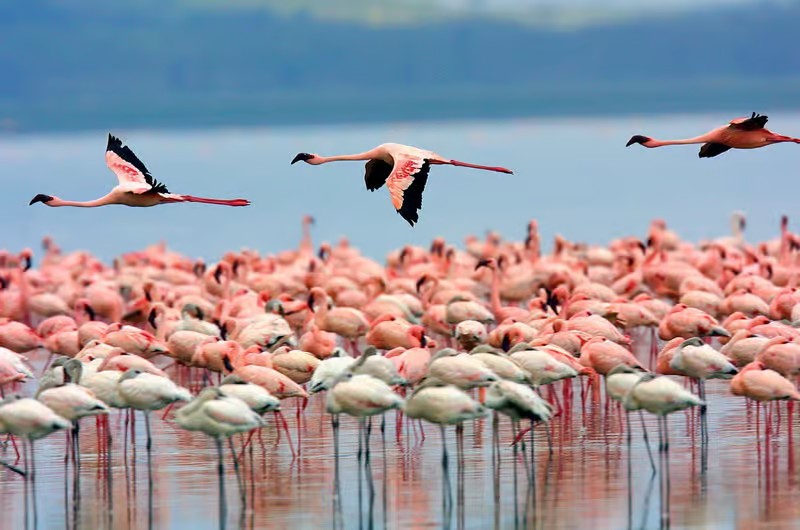
At dawn, as the sun rises over the Rift Valley escarpment, Lake Nakuru glows. The water reflects soft hues of gold and blue, and then, almost magically, the shoreline blushes pink. It is not the light that causes this transformation, but life itself—hundreds of thousands of flamingos gathering along the lake’s shallow edges. This spectacle has made Nakuru one of Kenya’s most celebrated tourist destinations.
Flamingos flock to Lake Nakuru for survival. The alkaline waters teem with blue‑green algae, their primary food source. Shrimp and small water insects add variety to their diet, filtered through specialized beaks perfectly adapted to this ecosystem.
Beyond food, the lake offers safety and shelter. Woodland and grassland surround the water, creating ideal nesting grounds and protection from predators. Together, abundant food and secure habitat make Lake Nakuru one of the most suitable flamingo homes in East Africa.
The flamingos have transformed Lake Nakuru into a global icon. Often described as a “pink lake,” the sight of over a million birds standing in shallow water is unlike anything else in the world.
Their striking pink color comes from pigments in the algae and crustaceans they feed on.
For visitors, the moment is unforgettable; for photographers, it is a dream.
Flamingos spend most of their time wading through shallow water in search of food. Though strong swimmers, they rarely swim, preferring to feed while standing. When disturbed or shifting feeding grounds, they take to the sky in graceful formation. Thousands lifting off at once fill the air with color and motion, adding another layer of beauty to the Lake Nakuru experience.
Tourism in Nakuru thrives largely because of these birds. Lake Nakuru National Park attracts nature lovers, bird watchers, researchers, and holidaymakers from around the world. Their presence sustains local businesses, creates jobs, and secures Nakuru’s place on Kenya’s tourism map.
Yet Lake Nakuru is more than flamingos. Rhinos, giraffes, buffaloes, and over 400 bird species make it a complete wildlife destination. Still, it is the flamingos that give the lake its identity and emotional pull. They remain the image most associated with Nakuru, a symbol of harmony between nature and tourism.
Environmental changes may cause flamingo numbers to rise or fall, sending them to other Rift Valley lakes in search of suitable conditions. Yet whenever they return, they renew Nakuru’s status as a place of wonder. Their presence reminds us of the delicate balance that sustains tourism and the urgent need to conserve ecosystems.
So the question is, how do we, as Nakuru’s people and as citizens of the wider world, keep the pink alive for generations to come? Share your thoughts in the comments section below.
Stay connected with us on WhatsApp and Facebook for instant updates and breaking news as it happens.