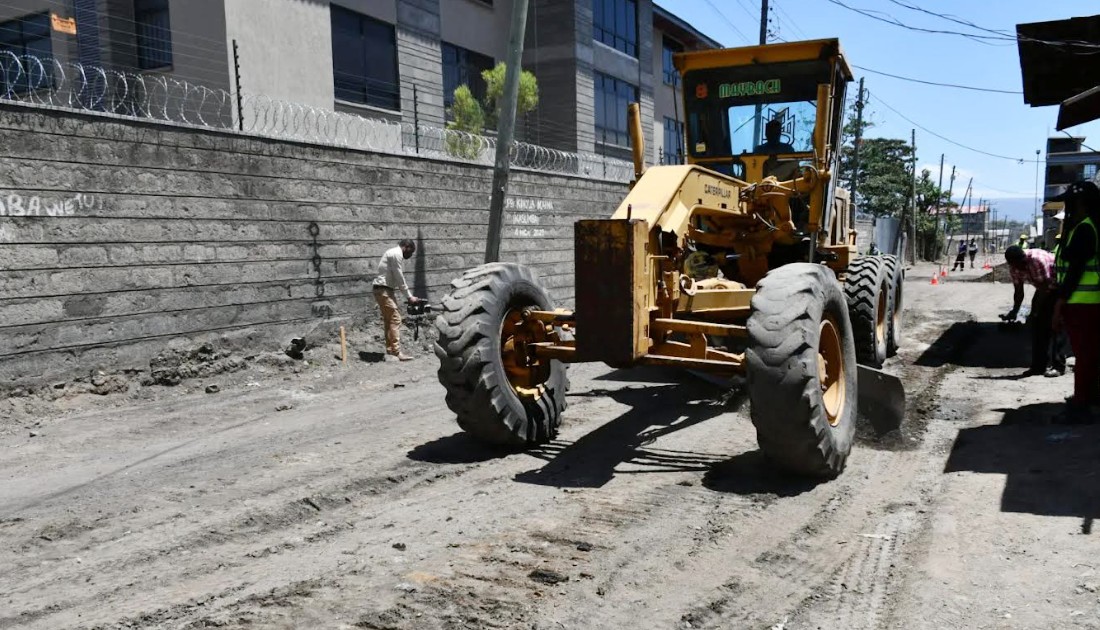
The settlements currently undergoing infrastructure upgrades include Hilton/London in Nakuru Town West, Lakeview in Flamingo Ward, Kiamurogi in Nakuru East Ward (Nakuru East Sub-County), and Karagita in Naivasha Sub-County.
The County Government of Nakuru is leveraging the strength and energy of local Community-Based Organizations (CBOs) to empower women and youth by creating sustainable livelihood opportunities through partnerships under the Second Kenya Informal Settlements Improvement Project (KISIP II) Community Development Plan (CDP).
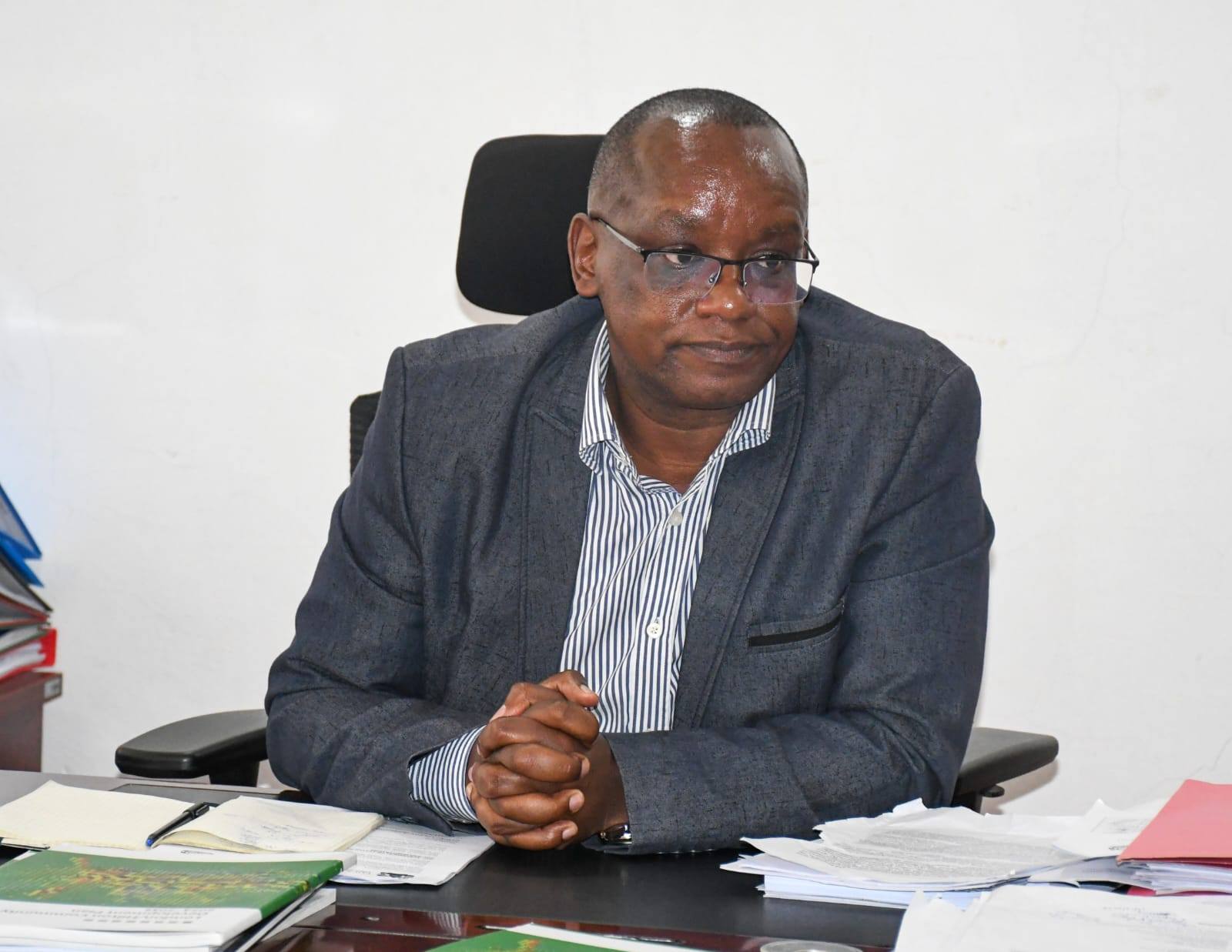
In a statement released on Facebook on March 24, 2026, the County Government noted that, according to Chief Officer for Housing and Urban Development Arch. Kamau Kuria—who also serves as the County Project Coordinator, the CDPs are designed to address key socio-economic needs by prioritizing community-driven initiatives, particularly infrastructure projects that can be easily managed, maintained, and operated by local communities.
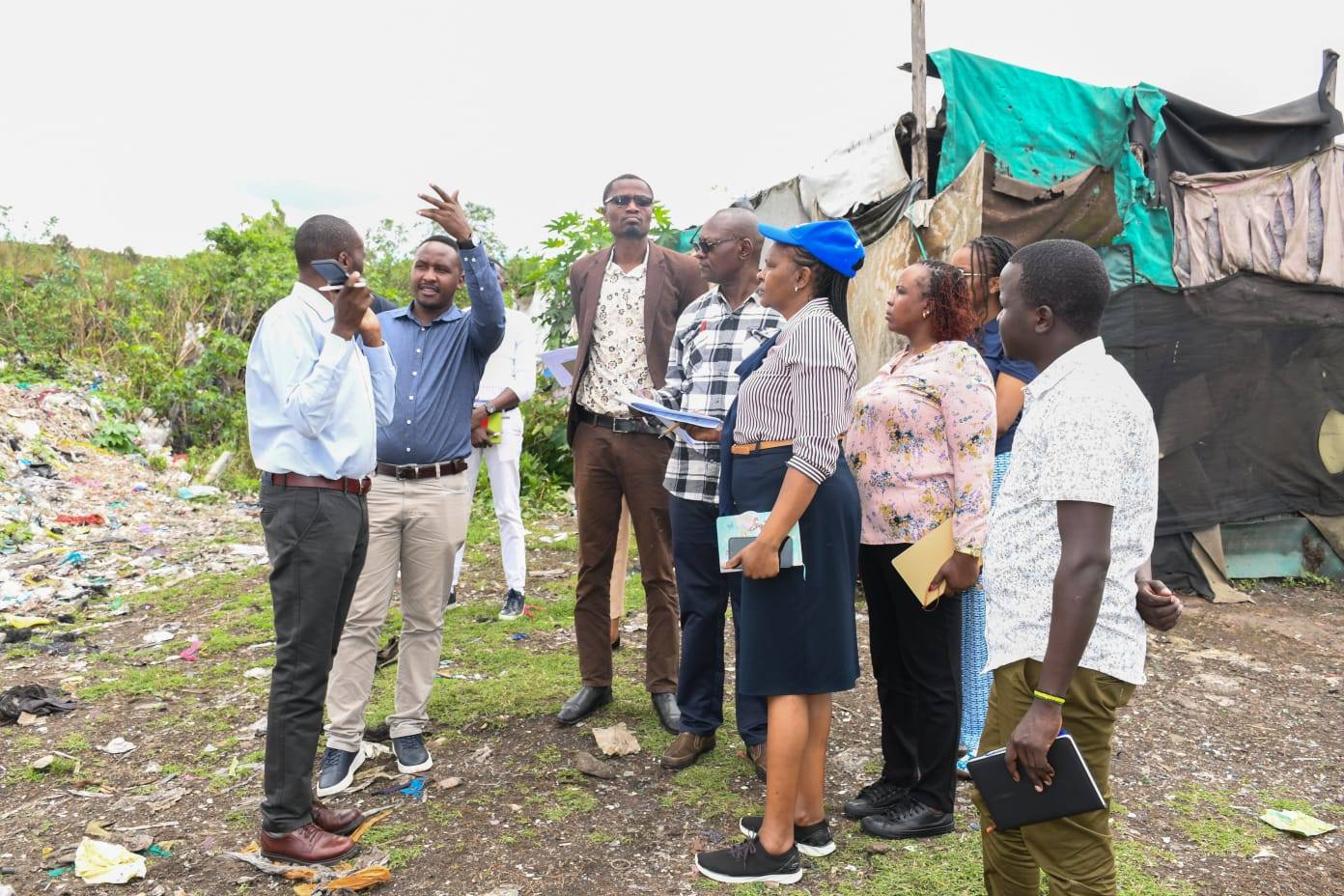
“To support this effort, a joint team comprising county government officials, the National Project Coordination Team (NPCT), and Agence Française de Développement (AFD) conducted site visits across four informal settlements to undertake land due diligence and verify the status of parcels earmarked for the projects,” the County stated.
Read More
The settlements currently undergoing infrastructure upgrades include Hilton/London in Nakuru Town West, Lakeview in Flamingo Ward, Kiamurogi in Nakuru East Ward (Nakuru East Sub-County), and Karagita in Naivasha Sub-County.
This initiative underscores the County’s commitment to inclusive development, ensuring that communities are not only beneficiaries but also active participants in shaping and sustaining their own growth.
KISIP I was launched in 2011 by the Government of Kenya with support from partners including the World Bank, Agence Française de Développement, and the Swedish International Development Cooperation Agency. It was limited to 14 counties such as Nairobi, Mombasa, Kisumu and Nakuru. Others included Kiambu, Machakos, Kitui, Embu, Kilifi, Kwale, Kericho, Uasin Gishu, Kakamega, and Garissa.
KISIP II has expanded eligibility to all counties that meet specific technical criteria. It has improved lighting for over 1.3 million people and secured tenure for more than 125,000 residents.
Running from 2021 to 2026, KISIP II now covers 33 counties. In Nakuru, about Sh1.3 billion has been allocated for roads, footpaths, high-mast lighting, sewerage, and water systems, with over 1,000 households expected to receive title deeds.
These efforts align with the County Integrated Development Plan (2023–2027), which emphasizes sustainable urban growth and the improvement of informal settlements.
Stay connected with us on WhatsApp and Facebook for instant updates and breaking news as it happens.