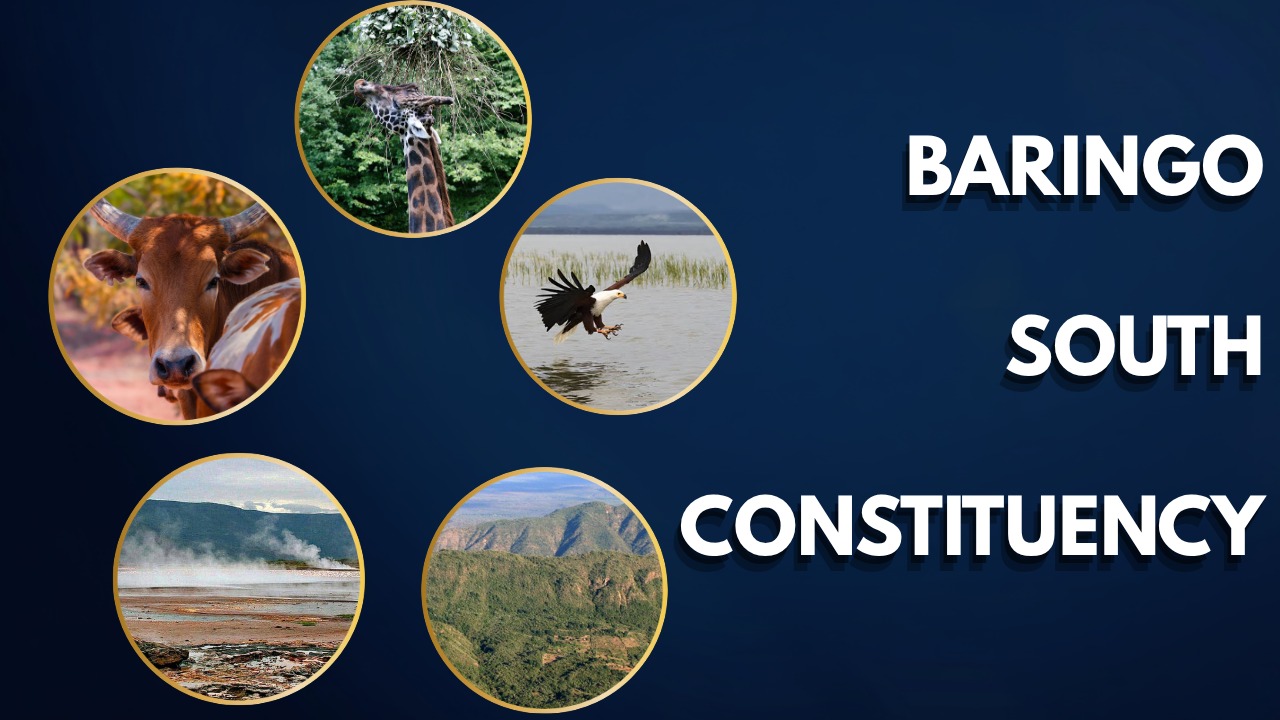
Baringo South blends arid rangelands, Lake Baringo fisheries, and resilient communities. From political shifts between URP, Jubilee, and UDA to urgent needs in livestock, irrigation, and infrastructure, the constituency continues to balance tradition with the push for sustainable development.
Baringo South, situated in the southern part of Baringo County in Kenya’s Rift Valley, is a constituency known for its diverse landscapes, including areas around Lake Baringo, rangelands, and pockets of arable land.
It is home to pastoralist communities alongside those engaged in mixed farming, fishing, and small-scale businesses. The political scene is shaped by ethnic dynamics, notably among Tugen and Ilchamus (Njemps) communities.
Demographics and Administrative Units
Read More
Population: ~90,388 (2019 census)
Projected Population (2026): ~98,000 – 105,000 (based on county growth trends)
Area: ~1,985 km²
Registered voters (2022): ~42,791 (approximate from available data)
Number of wards: 4 (Marigat, Ilchamus, Mochongoi, Mukutani)
Ward Leadership (2022)
| Ward | MCA | Party |
| Ilchamus | Wesley Lekakimon | ODM |
| Mochongoi | Nicholas Kipruto Kimosop | UDA |
| Mukutani | Paul Lolkisoi | Jubilee Party |
| Marigat | Nixon Lemlem | UDA |
Political Leadership
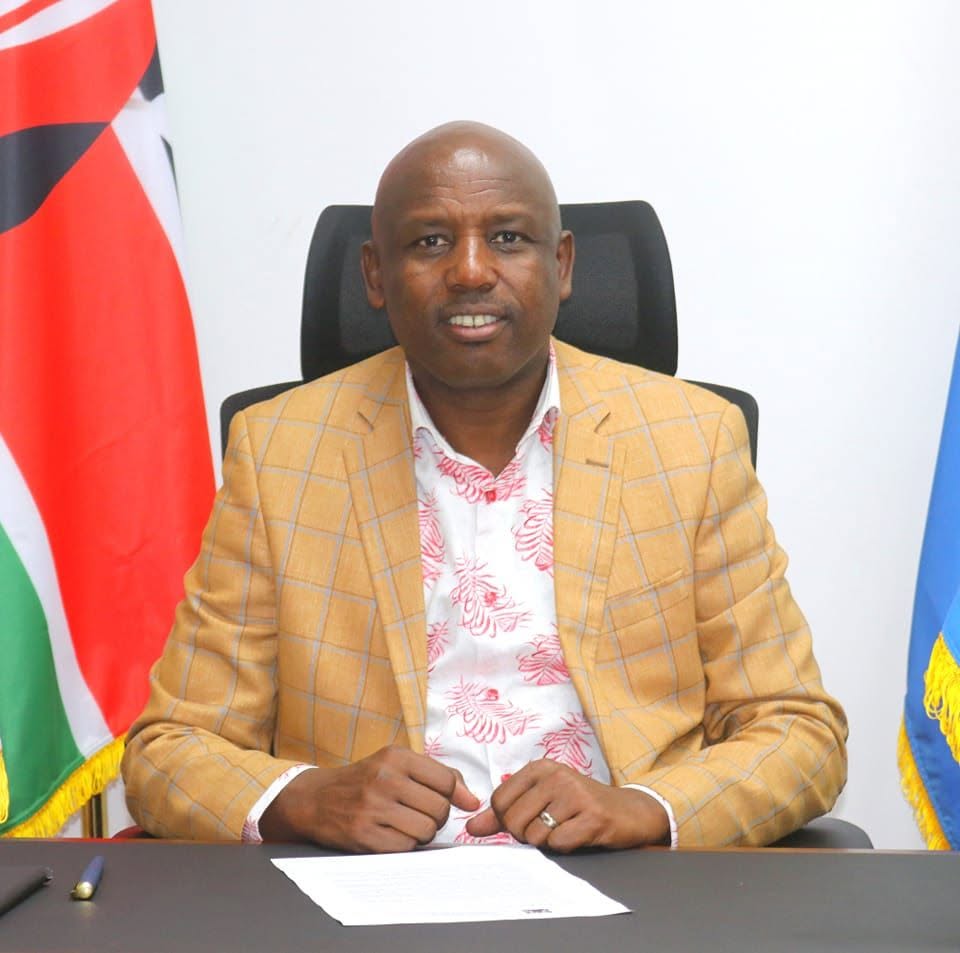
2022 General Election: Hon. Charles Kamuren (UDA) retained the seat with 15,200 votes,, defeating Jubilee’s Dickson Ole Keis (~9,800 votes.) and other contenders like independent Joseph Tarus.
2017 General Election: Hon. Grace Jelagat Kipchoim (Jubilee Party) won with 9,299 votes against Charles Kamuren (KANU – 8,905 votes). Kipchoim passed away in 2018, leading to a by-election won by Charles Kamuren.
2013 General Election: Hon. Grace Jelagat Kipchoim (URP) defeated Charles Kamuren (who contested on a KANU ticket).
Economic Activities and Development Priorities
Baringo South features a blend of semi-arid pastoralism, irrigated agriculture near water bodies, fishing on Lake Baringo, and emerging trade. Key development focuses include enhancing resilience to climate variability, improving livelihoods, and infrastructure.
Livestock Development
Livestock herding (cattle, goats, sheep) is central to many households. Priorities often include:
1. Improving animal breeds and veterinary access.
2. Disease management and vaccination drives.
3. Fodder production and drought mitigation strategies.
4. Better market linkages for livestock products.
Irrigation and Agricultural Productivity
With variable rainfall, irrigation schemes are vital, particularly leveraging Lake Baringo and other sources. Focus areas:
1. Expanding smallholder irrigation and water harvesting.
2. Promoting resilient crops and value addition.
3. Subsidized inputs, training, and market support.
4. Horticulture development in suitable zones.
Water Supply and Climate Resilience
Water access is a perennial issue in arid zones. Priorities:
1. Borehole development and rehabilitation.
2. Construction of dams, pans, and rainwater systems.
3. Piped water extensions to communities.
4. Climate-smart initiatives for pastoralists and farmers.
Fisheries and Blue Economy
Proximity to Lake Baringo supports fishing communities. Opportunities:
1. Sustainable aquaculture and fish farming.
2. Improved landing sites, processing, and cold storage.
3. Cooperatives for fisherfolk.
4. Eco-friendly tourism linked to the lake.
Infrastructure Development
Connectivity drives growth. Key needs:
1. Road upgrades and maintenance.
2. Rural electrification expansion.
3. Enhanced mobile and internet coverage.
4. Development of local trading centers and markets.
Education and Skills Development
Human capital investment is critical:
1. School construction, equipping, and maintenance.
2. Scholarships and bursaries for vulnerable students.
3. TVET programs tailored to local needs.
4. Youth skills training and innovation hubs.
Trade, Tourism, and Small Enterprises
The area has tourism potential tied to Lake Baringo’s scenery, wildlife, and culture. Priorities:
1. Eco-tourism and community-based initiatives.
2. SME support, including women and youth enterprises.
3. Market infrastructure improvements.
4. Value chains in agriculture, livestock, and fisheries.
Political Behaviour
Voting in Baringo South often aligns with dominant national and Rift Valley parties, with candidates on major tickets tending to perform strongly over independents. The 2022 outcomes, including the MP’s retention on UDA, underscored loyalty to parties resonating with regional aspirations and development promises.
Do you have updates or corrections about this constituency? If you have information that should be captured, or notice data that has changed or is inaccurately presented, kindly write to us at [email protected]